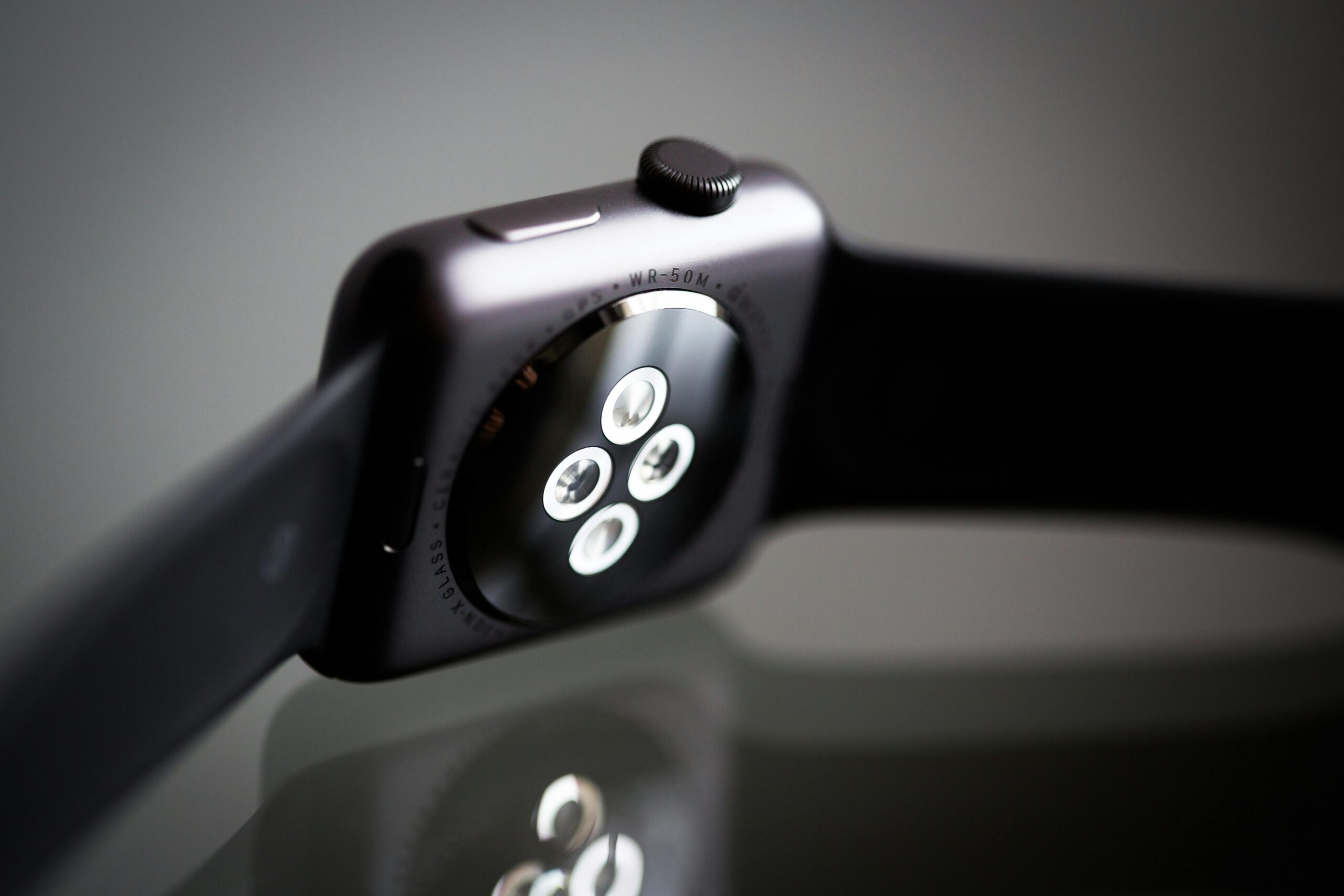
Your workspace isn’t just a physical location—it’s a direct interface with your nervous system that shapes how effectively you think, create, and perform throughout the day.

🧠 Understanding the Workspace-Nervous System Connection
Most people approach workspace design from an aesthetic or organizational perspective, but the most transformative changes happen when you understand how your environment directly influences your autonomic nervous system. Your nervous system constantly scans your surroundings for cues of safety or threat, a process called neuroception. When your workspace sends signals of discomfort, chaos, or stress, your body responds by activating the sympathetic nervous system—triggering the fight-or-flight response that diminishes cognitive function, creativity, and sustained focus.
The relationship between your physical environment and neurological performance is bidirectional and immediate. Poor lighting triggers eye strain and cortisol release. Uncomfortable seating compresses nerves and restricts blood flow. Cluttered visual fields demand constant decision-making that depletes cognitive resources. Conversely, an optimized workspace activates the parasympathetic nervous system—your rest-and-digest mode—creating the physiological foundation for peak performance.
Research in environmental psychology demonstrates that workspace optimization can increase productivity by up to 20% while simultaneously reducing stress markers. The key is moving beyond superficial changes to implement modifications that speak directly to your nervous system’s needs for safety, comfort, and optimal arousal states.
💡 Lighting: The Foundation of Circadian Rhythm Regulation
Light is the most powerful environmental regulator of your nervous system, directly influencing circadian rhythms, hormone production, and cognitive performance. Yet most workspaces rely on artificial lighting that disrupts these natural processes. Overhead fluorescent lights emit flickering frequencies that create imperceptible stress on your visual system, while blue-heavy LED lights suppress melatonin production and hyperactivate your sympathetic nervous system.
The solution begins with maximizing natural light exposure. Position your desk perpendicular to windows to minimize glare while capturing abundant daylight. Natural light exposure during working hours improves alertness, mood, and sleep quality by supporting healthy cortisol rhythms. Your cortisol should peak in the morning and gradually decline throughout the day—a pattern that artificial lighting disrupts but natural light supports.
For times when natural light is insufficient, implement layered lighting with adjustable color temperature. Use warm lighting (2700-3000K) during early morning and evening hours to support melatonin production. Transition to cooler lighting (4000-5000K) during peak performance hours to enhance alertness. Task lighting with adjustable brightness prevents eye strain while giving your nervous system control over environmental stimulation—a critical factor in maintaining parasympathetic activation.
Creating Your Optimal Lighting Protocol
Begin your workday with bright light exposure—ideally natural sunlight—to trigger cortisol awakening response and set your circadian rhythm. Throughout the day, maintain brightness levels between 300-500 lux for general tasks, increasing to 750-1000 lux for detailed work requiring visual precision. As afternoon transitions to evening, gradually reduce light intensity and shift toward warmer color temperatures to prepare your nervous system for recovery mode.
🪑 Ergonomic Seating: Supporting Your Spinal Nervous System
Your spine houses your spinal cord—the information superhighway between your brain and body. Prolonged sitting in positions that compress or misalign your spine creates chronic stress on your nervous system that manifests as pain, fatigue, and reduced cognitive function. Traditional office chairs often force your body into positions that contradict its natural biomechanics, creating sustained low-level nervous system activation.
An optimized seating solution maintains the natural curves of your spine while allowing dynamic movement. Your lumbar spine should maintain its natural lordotic curve, your thoracic spine should be comfortably supported, and your cervical spine should be neutral—not jutting forward as happens with poor monitor placement. The goal isn’t rigid posture but rather supported variation that allows your nervous system to regulate tension and circulation naturally.
Consider implementing a sit-stand workstation that allows you to alternate positions every 30-45 minutes. Standing activates different muscle groups, improves circulation, and prevents the metabolic slowdown associated with prolonged sitting. When standing, maintain soft knees, engage your core gently, and use an anti-fatigue mat to reduce pressure on joints and nerves in your feet.
Microbreaks: The Nervous System Reset Button
Even with perfect ergonomics, sustained static positions create nervous system fatigue. Implement structured microbreaks every 25-30 minutes—just 60-90 seconds of movement resets your autonomic nervous system. Simple movements like shoulder rolls, spinal twists, or brief walks interrupt the stress accumulation that happens during focused work and reactivate parasympathetic recovery processes.
🎨 Visual Environment: Reducing Cognitive Load Through Intentional Design
Your visual field constantly feeds information to your nervous system, and cluttered or chaotic environments create sustained cognitive load that depletes mental resources. Every object in your peripheral vision represents a potential decision or distraction that your brain must process and dismiss—a tax on your executive function that accumulates throughout the day.
Implement the principle of visual simplicity by removing non-essential items from your primary workspace. Your desk surface should contain only items relevant to your current task, while frequently used tools remain within arm’s reach but out of constant view. This reduces the decision fatigue that happens when your nervous system must repeatedly categorize and dismiss visual stimuli.
Color psychology plays a significant role in nervous system regulation. Cool colors like blues and greens activate the parasympathetic nervous system, promoting calm focus ideal for analytical work. Warm colors like oranges and yellows provide energizing stimulation suitable for creative tasks. Consider your work type when selecting dominant colors for your workspace, using accent colors strategically to support different cognitive modes.
🔊 Acoustic Optimization: Controlling Auditory Stress Triggers
Sound directly influences your autonomic nervous system, with unexpected or uncontrollable noise triggering immediate stress responses that fragment attention and elevate cortisol. Open office environments with unpredictable auditory stimuli keep your nervous system in a state of hypervigilance that prevents deep focus and accelerates mental fatigue.
If you cannot control ambient noise, use noise-canceling headphones or white noise to create acoustic consistency. Your nervous system adapts to consistent background sound but remains reactive to unpredictable stimuli. White noise, nature sounds, or binaural beats can mask disruptive frequencies while providing calming auditory input that supports sustained concentration.
For those seeking enhanced focus through sound, consider apps specifically designed for concentration and nervous system regulation. Brain.fm uses AI-generated music designed to support different cognitive states by entraining neural oscillations associated with focus, creativity, or relaxation.
Creating Your Personal Sound Environment
Experiment with different auditory environments to discover what best supports your nervous system. Some people achieve optimal focus in complete silence, while others perform better with consistent background sound. The key is controllability—your nervous system relaxes when you control your auditory environment rather than reacting to unpredictable external noise.
🌡️ Temperature and Air Quality: The Invisible Performance Factors
Your nervous system’s performance is exquisitely sensitive to temperature variations. When you’re too cold, your body diverts resources to thermogenesis, reducing cognitive capacity. When you’re too warm, your parasympathetic nervous system activates to cool you down, creating drowsiness and reduced alertness. The optimal temperature for cognitive performance typically falls between 68-72°F (20-22°C), though individual preferences vary.
Air quality dramatically impacts brain function through its effects on oxygen delivery and inflammatory responses. Poor ventilation leads to carbon dioxide accumulation that impairs decision-making and increases fatigue. Volatile organic compounds from furniture, carpets, and office equipment create low-level inflammatory stress that your nervous system must constantly manage.
Improve air quality by introducing plants that filter toxins while adding humidity and oxygen. Snake plants, pothos, and spider plants are particularly effective while requiring minimal maintenance. Open windows when weather permits to increase fresh air circulation. Consider an air purifier with HEPA filtration if you work in an environment with limited ventilation or high pollution levels.
🧘 Incorporating Nervous System Regulation Tools
Beyond environmental modifications, strategically placed tools that directly regulate your nervous system can transform your workspace into a platform for performance optimization. These tools work by providing direct inputs that shift your autonomic nervous system state, moving you from sympathetic activation to parasympathetic recovery or modulating your arousal level for optimal performance.
Breathwork Stations
Your breath is the most accessible tool for nervous system regulation. Create a visual reminder in your workspace to practice brief breathwork protocols throughout the day. Box breathing (inhale for 4, hold for 4, exhale for 4, hold for 4) balances sympathetic and parasympathetic activation. Extended exhale breathing (inhale for 4, exhale for 6-8) activates parasympathetic response to reduce stress and improve focus.
Grounding and Proprioception Tools
Your nervous system regulates itself partially through proprioceptive feedback—awareness of your body’s position in space. Keep a lacrosse ball or massage tool nearby for brief self-myofascial release sessions that provide proprioceptive input and reduce muscular tension. A textured mat under your desk gives your feet stimulation that enhances grounding and nervous system awareness.
⚡ Technology Integration: Apps That Support Nervous System Health
Modern technology offers powerful tools for monitoring and optimizing nervous system function throughout your workday. While technology can be a source of stress, strategically selected apps provide structured support for the nervous system regulation practices that boost productivity and comfort.
Heart rate variability (HRV) monitoring apps provide real-time feedback about your nervous system state. HRV—the variation in time intervals between heartbeats—serves as a window into autonomic nervous system balance. Higher HRV indicates greater parasympathetic activation and better stress resilience, while declining HRV suggests accumulating stress load. Elite HRV offers comprehensive tracking with actionable insights for daily readiness and recovery.
Meditation and breathwork apps provide structured nervous system regulation practices you can implement during work breaks. Headspace offers workplace-specific programs designed to reduce stress and improve focus through brief guided practices.
🌿 Biophilic Design: Reconnecting with Natural Patterns
Humans evolved in natural environments, and our nervous systems remain calibrated to patterns found in nature. Biophilic design integrates natural elements into workspaces, providing the environmental cues that signal safety and support parasympathetic activation. This isn’t merely aesthetic—studies show that biophilic elements reduce stress hormones, lower blood pressure, and improve cognitive function.
Incorporate living plants into your workspace, selecting varieties that thrive in your lighting conditions and require maintenance levels you can sustain. Beyond air purification benefits, plants provide dynamic visual interest that rests your eyes from screen-focused work. The presence of living organisms creates subtle environmental changes that prevent the sensory monotony of purely artificial spaces.
Natural materials like wood, stone, and natural fibers provide tactile and visual connections to nature. Replace plastic desk accessories with wooden alternatives. Add a small water feature if ambient noise is controllable—the sound of moving water is inherently calming to the nervous system. Display nature photography or artwork featuring natural landscapes, fractals, or organic patterns that echo the visual complexity found in natural environments.
🔄 Movement Integration: Designing for Dynamic Work
The human nervous system evolved to support movement, not sustained stillness. Prolonged static positions create metabolic slowdown, circulatory restriction, and nervous system fatigue that manifest as reduced cognitive performance and increased discomfort. Integrating movement into your workspace design transforms how your nervous system responds to work demands.
Create a movement-friendly workspace by ensuring adequate space for brief exercise breaks. Keep resistance bands, a yoga mat, or light weights within reach for structured movement breaks between focused work sessions. These tools serve as environmental prompts that reduce the activation energy required to engage in beneficial movement.
Consider the arrangement of frequently accessed items to encourage natural movement throughout your day. Place your printer across the room rather than within arm’s reach. Position water and healthy snacks in locations that require standing and walking. These micro-movements accumulate throughout the day, preventing the complete stillness that stresses your nervous system.
The Pomodoro-Movement Protocol
Combine the Pomodoro Technique with structured movement breaks for optimal nervous system regulation. Work in focused 25-minute intervals, then take 5-minute breaks dedicated to movement and breathwork. After four cycles, take a longer 15-20 minute break for more substantial nervous system reset activities like walking, stretching, or brief meditation. This rhythm aligns with your nervous system’s natural ultradian cycles—90-120 minute oscillations in alertness and focus capacity.
🎯 Personalizing Your Nervous System Optimization Strategy
While the principles of nervous system optimization apply universally, individual implementation requires personalization based on your unique nervous system sensitivities, work demands, and environmental constraints. Some people have more reactive nervous systems that require more intensive regulation practices, while others maintain balance with minimal intervention.
Begin by tracking your daily energy patterns, noting when you feel most alert, focused, and comfortable versus when you experience fatigue, distraction, or discomfort. These patterns reveal your nervous system’s natural rhythms and stress triggers. Use this information to schedule demanding cognitive work during peak alertness windows while reserving administrative tasks for lower-energy periods.
Experiment systematically with different optimization strategies, implementing one change at a time to assess its impact on your productivity and comfort. Your nervous system responds to consistency, so maintain each modification for at least one week before evaluating its effectiveness. Track metrics like work output, subjective energy levels, and stress perception to quantify the impact of different interventions.

🚀 Implementing Your Workspace Transformation
Transforming your workspace for nervous system optimization doesn’t require expensive renovations or complete environmental overhauls. Start with high-impact, low-cost modifications that address your most significant stressors. Most people benefit most from improvements to lighting, seating ergonomics, and visual simplification—changes that can be implemented immediately with minimal investment.
Create an implementation plan that phases changes over several weeks, allowing your nervous system to adapt to each modification before introducing additional variables. This gradual approach prevents overwhelm while making it easier to identify which specific changes produce meaningful benefits for your unique situation.
Remember that workspace optimization is an ongoing process rather than a one-time project. Your work demands change, seasons shift lighting conditions, and your nervous system’s needs evolve over time. Maintain awareness of how your workspace affects your physiology and performance, making adjustments as needed to maintain optimal nervous system support.
The investment you make in optimizing your workspace for nervous system health pays dividends that extend far beyond productivity metrics. When your environment actively supports rather than stresses your nervous system, work becomes more sustainable, enjoyable, and aligned with your body’s natural rhythms. You’ll finish workdays with more energy, experience less chronic tension, and find that peak performance states become more accessible and sustainable. Your workspace becomes not just a location for completing tasks but a platform for thriving in your professional life while maintaining the nervous system health that underlies all aspects of wellbeing.