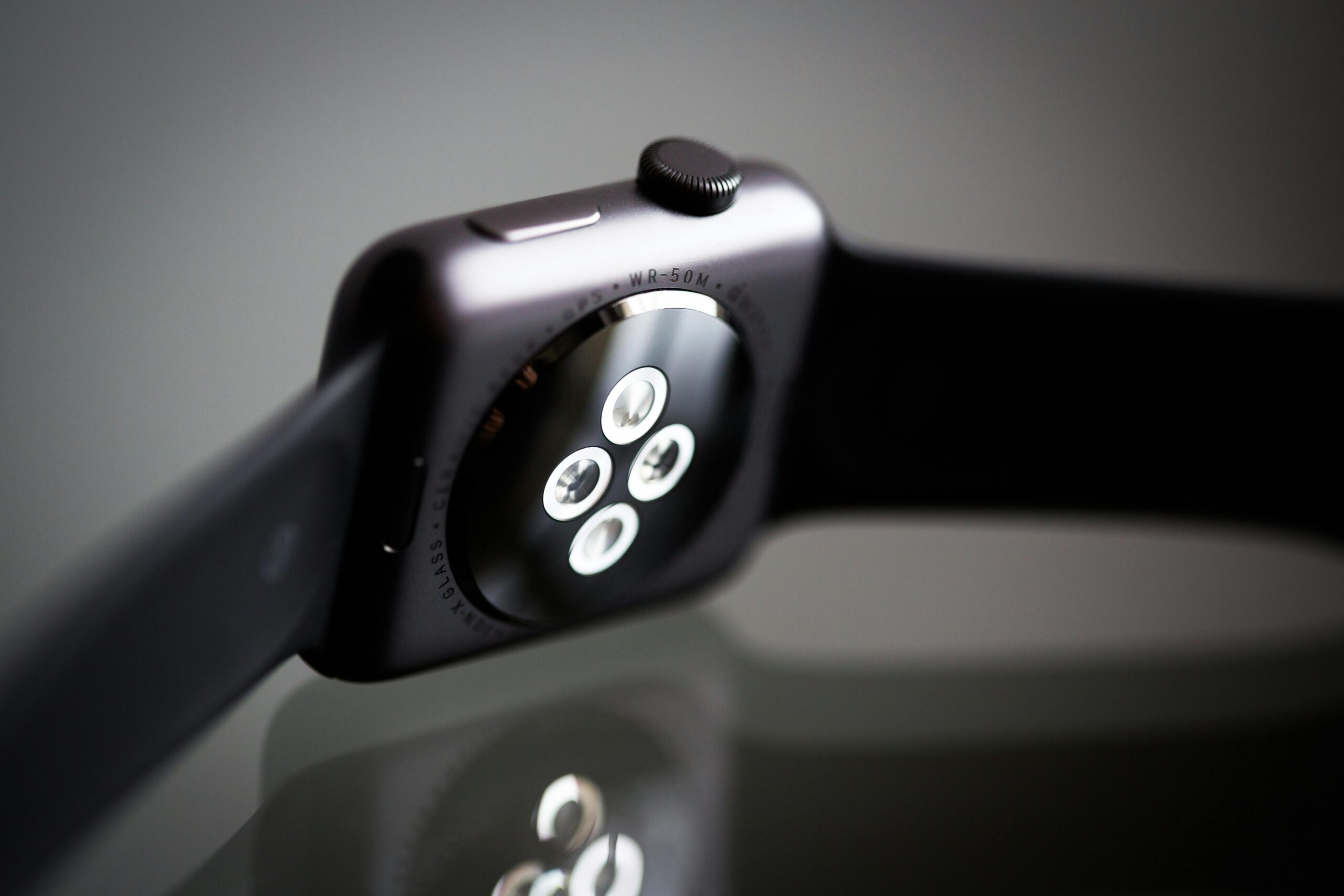
Biohacking represents the fusion of biology, technology, and self-experimentation to optimize your body and mind for peak performance and lasting well-being.

The concept of biohacking has evolved from a niche practice embraced by Silicon Valley entrepreneurs and fitness enthusiasts into a mainstream movement that empowers individuals to take control of their health destiny. Unlike traditional wellness approaches that offer one-size-fits-all solutions, biohacking recognizes that each person’s biology is unique, requiring personalized strategies for optimization.
Today’s biohackers employ cutting-edge tools ranging from continuous glucose monitors and sleep trackers to nootropic supplements and intermittent fasting protocols. The goal isn’t just temporary improvement but sustainable transformation that compounds over time, unlocking human potential that conventional approaches often leave untapped.
🧬 Understanding the Fundamentals of Biohacking
Biohacking operates on the principle that your body is a complex system capable of remarkable adaptation when given the right inputs. Rather than accepting default settings, biohackers actively experiment with variables including nutrition, sleep, exercise, stress management, and environmental factors to identify what produces optimal results for their specific physiology.
The foundation of successful biohacking lies in measurement and iteration. Without data, you’re merely guessing. Effective biohackers establish baseline metrics for key biomarkers—from blood glucose and heart rate variability to cognitive performance and energy levels—then systematically test interventions while tracking changes.
This scientific approach transforms wellness from abstract concepts into concrete, measurable outcomes. When you can quantify how a particular supplement affects your focus or how adjusting your sleep schedule impacts recovery, you gain actionable intelligence that drives continuous improvement.
⚡ Nutrition Hacking: Fueling Your Biological Engine
Your dietary choices represent the most powerful and accessible biohacking tool available. Every meal sends signals throughout your body, influencing hormone production, inflammation levels, cognitive function, and cellular repair processes. Strategic nutrition hacking goes far beyond simple calorie counting.
Intermittent fasting has emerged as one of the most researched and effective nutritional biohacks. By compressing your eating window—typically to 8-10 hours daily—you trigger autophagy, a cellular cleanup process that removes damaged components and promotes longevity. This metabolic switch also enhances insulin sensitivity and mental clarity.
Ketogenic and cyclical ketogenic diets represent another powerful approach, training your body to efficiently burn fat for fuel while stabilizing blood sugar. Many biohackers report enhanced focus, sustained energy, and improved body composition when properly implementing these strategies.
Micronutrient Optimization for Peak Performance
While macronutrients get most attention, micronutrient deficiencies silently sabotage performance. Comprehensive blood panels revealing vitamin D, magnesium, B-vitamin, and omega-3 status provide invaluable insights. Strategic supplementation based on actual deficiencies—not marketing claims—delivers measurable improvements in energy, mood, and cognitive function.
Personalized nutrition takes this further by considering genetic variations that affect nutrient metabolism. Some individuals process caffeine slowly due to CYP1A2 gene variants, while others lack enzymes for efficient omega-3 conversion from plant sources. Understanding these genetic factors allows for targeted nutritional strategies.
😴 Sleep Optimization: The Foundation of All Biohacks
No biohacking protocol can compensate for chronically poor sleep. During sleep, your body consolidates memories, repairs tissues, regulates hormones, and clears metabolic waste from your brain. Optimizing sleep quality and duration amplifies every other biohacking intervention exponentially.
Advanced sleep tracking devices now provide detailed insights into sleep architecture, revealing time spent in different sleep stages, disruptions, heart rate variability, and respiratory patterns. This data highlights specific issues—whether difficulty achieving deep sleep, frequent awakenings, or insufficient REM cycles—allowing targeted interventions.
Environmental optimization forms the cornerstone of sleep biohacking. Complete darkness signals pineal gland melatonin production, while blue light exposure suppresses it. Strategic use of blackout curtains, blue light blocking glasses after sunset, and maintaining bedroom temperatures between 60-67°F (15-19°C) significantly improves sleep quality.
Circadian Rhythm Synchronization
Your circadian rhythm regulates virtually every biological process on a roughly 24-hour cycle. Modern lifestyles—with artificial lighting, irregular schedules, and late-night screen exposure—disrupt this ancient timing system with profound health consequences.
Morning sunlight exposure within 30 minutes of waking powerfully anchors your circadian rhythm, improving sleep quality that night while boosting daytime alertness and mood. Even 10-15 minutes outdoors provides beneficial light exposure far exceeding indoor artificial lighting intensity.
Consistent sleep-wake schedules, even on weekends, reinforce circadian stability. When you maintain regular timing, your body anticipates and prepares for sleep and wake transitions, optimizing hormone release and physiological processes accordingly.
🏋️ Exercise as a Biohacking Tool
Strategic exercise protocols extend far beyond aesthetic goals, representing one of the most potent biohacks for cognitive enhancement, longevity, and metabolic health. The key lies in understanding different exercise modalities trigger distinct biological adaptations.
High-intensity interval training (HIIT) delivers remarkable benefits in minimal time by creating metabolic stress that triggers mitochondrial biogenesis—literally building new cellular power plants. Just 20-30 minutes of properly structured HIIT several times weekly improves cardiovascular health, insulin sensitivity, and growth hormone production.
Resistance training builds not just muscle but metabolic resilience. Muscle tissue acts as a glucose disposal sink, improving blood sugar regulation while secreting beneficial myokines that combat inflammation and support brain health. Progressive overload—systematically increasing demands on your muscles—ensures continuous adaptation.
Recovery and Adaptation Strategies
Sophisticated biohackers recognize that training represents the stimulus, but adaptation occurs during recovery. Monitoring heart rate variability (HRV) provides real-time feedback on nervous system recovery status, indicating when your body is prepared for intense training versus when rest is necessary.
Cold exposure through ice baths or cold showers activates brown adipose tissue, increases norepinephrine, and reduces inflammation. Conversely, heat exposure via sauna sessions triggers heat shock proteins that enhance cellular stress resistance while promoting cardiovascular benefits comparable to moderate exercise.
🧠 Cognitive Enhancement and Nootropics
Brain optimization represents the frontier of biohacking, with interventions ranging from evidence-based supplements to technological tools that enhance neuroplasticity, focus, and memory consolidation.
Nootropics—substances that enhance cognitive function—vary dramatically in mechanisms and evidence quality. Caffeine combined with L-theanine provides reliable focus enhancement with reduced jitters, while compounds like lion’s mane mushroom show promise for supporting nerve growth factor production and long-term brain health.
More sophisticated cognitive biohackers employ racetams, which modulate neurotransmitter systems to enhance memory and learning, though these require careful research and often medical supervision. Natural alternatives including bacopa monnieri, rhodiola rosea, and omega-3 fatty acids offer gentler cognitive support with extensive safety profiles.
Neurofeedback and Brain Training
Emerging technologies enable direct brain training through neurofeedback, where real-time brainwave monitoring allows conscious modulation of mental states. By learning to shift brainwave patterns—increasing alpha waves for relaxation or enhancing gamma for peak focus—practitioners develop greater mental control.
Meditation and mindfulness practices represent accessible yet profoundly effective cognitive biohacks. Regular meditation physically alters brain structure, increasing gray matter density in regions associated with memory, emotional regulation, and perspective-taking while reducing activity in the default mode network linked to mind-wandering and anxiety.
📊 Tracking and Measuring Progress
Effective biohacking requires closing the feedback loop through systematic tracking. Subjective feelings matter, but objective data prevents biases and reveals patterns invisible to casual observation.
Wearable devices now provide continuous monitoring of heart rate, activity levels, sleep patterns, and even blood oxygen saturation. More advanced biohackers incorporate continuous glucose monitors—even without diabetes—to understand how specific foods, stress, and activities affect blood sugar, optimizing diet and timing for stable energy.
Regular laboratory testing establishes comprehensive health baselines and tracks long-term trends. Beyond standard panels, biohackers often assess inflammatory markers (hs-CRP), hormone profiles (testosterone, cortisol, thyroid), metabolic markers (insulin, HbA1c), and nutrient status (vitamin D, B12, magnesium, omega-3 index).
Creating Effective Experiments
Scientific rigor transforms casual experimentation into effective biohacking. Changing one variable at a time while maintaining detailed logs allows you to identify what actually works versus placebo effects or coincidental improvements.
Establish baseline measurements, implement a single intervention for sufficient duration (typically 2-4 weeks for physiological changes, longer for supplements), then reassess. This systematic approach builds a personalized optimization protocol grounded in your unique biology rather than generic recommendations.
🌿 Environmental and Lifestyle Factors
Your environment constantly influences your biology, often in ways you don’t consciously recognize. Strategic environmental optimization removes obstacles to peak performance while supporting natural biological rhythms.
Air quality dramatically affects cognitive function and overall health. Indoor air often contains higher pollutant concentrations than outdoor air due to poor ventilation and off-gassing from furniture and materials. HEPA filtration systems and regular ventilation substantially improve the breathing environment where you spend most time.
Electromagnetic field (EMF) exposure represents a controversial but increasingly researched area. While extreme claims lack support, preliminary evidence suggests reducing unnecessary exposure—particularly during sleep—may benefit some individuals. Simple interventions include airplane mode on devices, router placement away from sleeping areas, and wired connections when practical.
Stress Management and Hormesis
Chronic stress undermines every biohacking intervention by elevating cortisol, disrupting sleep, impairing recovery, and promoting inflammation. However, strategic acute stress—hormesis—actually strengthens biological systems through adaptation.
Cold exposure, exercise, fasting, and heat therapy all represent hormetic stressors that trigger beneficial adaptations when applied appropriately. The key lies in sufficient recovery between stressors, allowing your body to adapt rather than accumulating damage from chronic stress.
Breathing techniques offer immediate stress modulation. Box breathing, coherent breathing at approximately 5-6 breaths per minute, and physiological sighs (double inhale followed by extended exhale) activate parasympathetic nervous system responses, reducing stress hormones within minutes.
💊 Supplementation Strategies That Work
The supplement industry generates billions through often-exaggerated claims, making evidence-based selection crucial. Effective biohackers focus on addressing actual deficiencies and supporting specific goals rather than collecting dozens of bottles.
Foundation supplements with strong evidence include vitamin D3 with K2 for immune function and bone health, magnesium for sleep and muscle function, omega-3 fatty acids for brain and cardiovascular health, and creatine for cognitive and physical performance. These address common deficiencies while providing benefits across multiple systems.
Targeted supplementation builds on this foundation based on individual needs. Athletes might add beta-alanine and citrulline for performance, while those focused on longevity might incorporate NMN or resveratrol despite more limited human evidence. Quality matters enormously—third-party testing for purity and potency separates reputable brands from ineffective or contaminated products.
🚀 Advanced Biohacking Technologies
Technological innovation continuously expands biohacking possibilities. Transcranial direct current stimulation (tDCS) applies weak electrical currents to modulate brain activity, potentially enhancing learning and cognitive performance, though long-term effects require further research.
Red light therapy delivers specific wavelengths that penetrate tissue, stimulating mitochondrial function and promoting healing. Applications range from skin health and wound recovery to potentially supporting cellular energy production throughout the body.
Genetic testing provides insights into predispositions and optimal strategies. While genes aren’t destiny, understanding variants affecting caffeine metabolism, vitamin processing, exercise response, and disease risk allows proactive, personalized interventions.
🎯 Creating Your Personalized Biohacking Protocol
Sustainable biohacking success requires a strategic, personalized approach rather than attempting every intervention simultaneously. Start by identifying your primary goals—whether enhanced energy, improved cognitive function, better sleep, or optimized body composition—then select evidence-based interventions targeting those objectives.
Begin with foundational practices that provide broad benefits and minimal risk: optimizing sleep, establishing consistent eating patterns, implementing regular movement, and managing stress. These fundamentals create the platform upon which more advanced interventions can build effectively.
Document your baseline using both objective measures (lab tests, wearable data, performance metrics) and subjective assessments (energy levels, mood, focus). This baseline enables you to evaluate whether interventions deliver actual improvements or merely perceived changes.
Implement changes gradually, testing one significant intervention at a time for sufficient duration to observe effects. This disciplined approach reveals what specifically benefits your unique biology rather than attributing general improvements to the wrong intervention.

🌟 Sustaining Long-Term Results
Initial enthusiasm often drives aggressive biohacking, but lasting transformation requires sustainable integration into daily life. The most effective protocols become habitual rather than requiring constant willpower and decision-making.
Environmental design supports consistency more effectively than motivation alone. Preparing tomorrow’s supplements tonight, laying out workout clothes, using apps that automate tracking, and establishing routines around keystone habits creates systems that maintain momentum during inevitably challenging periods.
Periodic reassessment prevents stagnation while accommodating life changes. Your optimal protocol at age 25 will differ from age 45, and strategies effective during high-stress periods may need adjustment during calmer phases. Annual comprehensive testing and quarterly protocol reviews ensure your approach evolves with your biology and circumstances.
Community connection amplifies both knowledge and accountability. Engaging with other biohackers—whether through online forums, local meetups, or working with knowledgeable practitioners—provides support, shares innovations, and helps navigate challenges that arise during optimization journeys.
The ultimate measure of biohacking success isn’t just improved metrics but enhanced quality of life—more energy for what matters, sharper thinking for creative work, better resilience against stress, and the vitality to fully engage with experiences. When optimization serves life rather than becoming an obsessive end in itself, you’ve truly mastered the art of biohacking for lasting results.