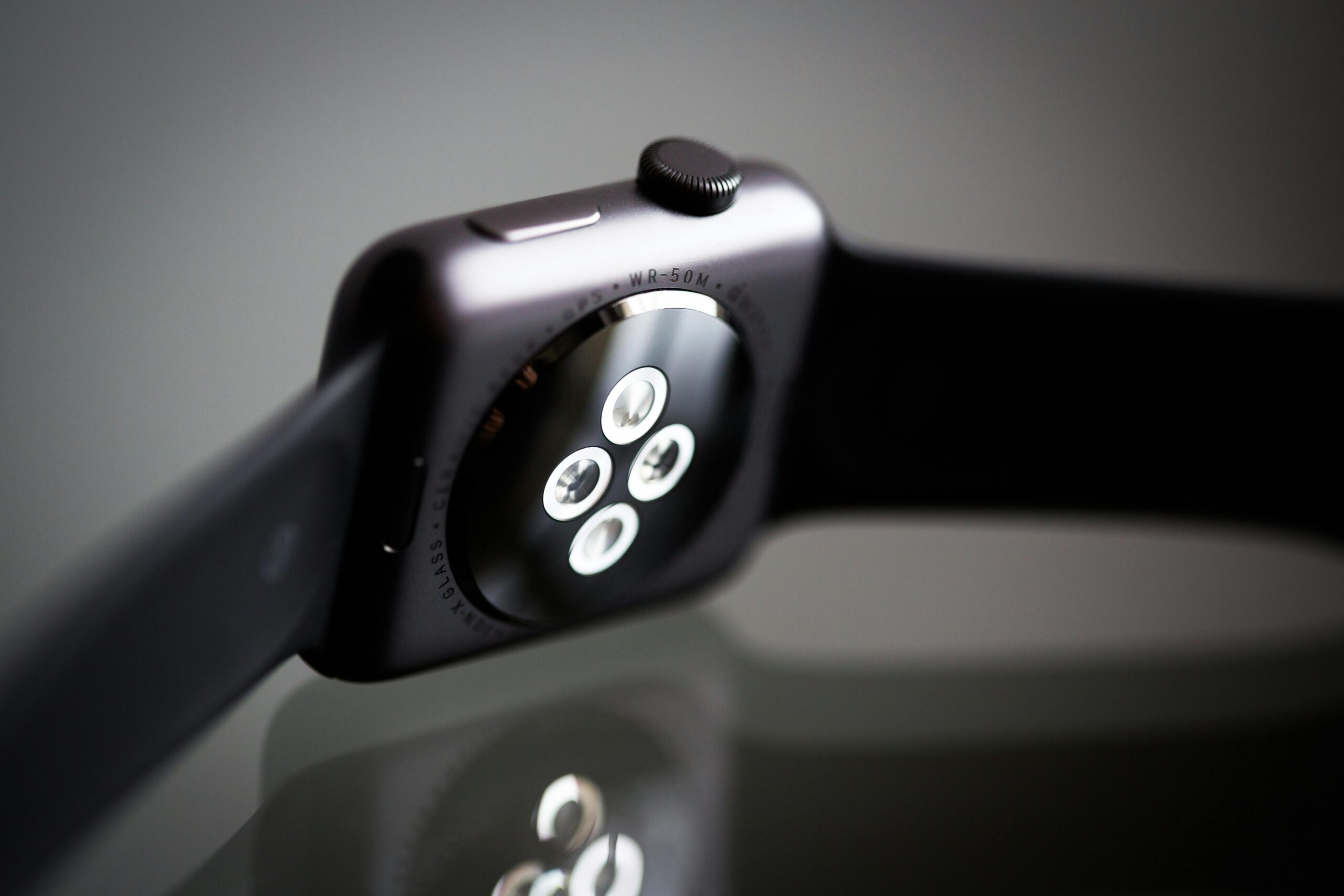
Burnout doesn’t happen overnight. It creeps up slowly, draining your energy and motivation until you’re running on empty. Wearable technology can help you catch the warning signs before you hit the wall.

🔍 Understanding Burnout in the Modern Age
Burnout has evolved from a workplace buzzword into a legitimate health crisis affecting millions worldwide. The World Health Organization now recognizes it as an occupational phenomenon characterized by chronic workplace stress that hasn’t been successfully managed. But here’s the challenge: by the time most people realize they’re burned out, they’re already deep in the danger zone.
Traditional approaches to burnout prevention rely on self-awareness and regular check-ins with yourself. While valuable, these methods have a significant flaw—our ability to accurately assess our own stress levels diminishes as we become more stressed. It’s a vicious cycle that makes early intervention nearly impossible without objective data.
This is where wearable technology enters the picture. Your smartwatch or fitness tracker isn’t just counting steps anymore. Modern wearables have evolved into sophisticated health monitoring systems that track dozens of biometric markers throughout the day, creating a comprehensive picture of your physical and mental state.
📊 The Science Behind Wearables and Stress Detection
Wearable devices measure several key physiological indicators that correlate strongly with stress and burnout. Understanding what these metrics mean helps you interpret the data your device provides and take appropriate action.
Heart rate variability (HRV) stands as one of the most powerful predictors of stress levels. HRV measures the variation in time between consecutive heartbeats. Counterintuitively, higher variability typically indicates better stress resilience and recovery capacity. When your HRV decreases over time, it often signals that your nervous system is struggling to maintain balance.
Resting heart rate provides another critical data point. As stress accumulates, your baseline resting heart rate tends to increase. A resting heart rate that’s consistently 5-10 beats per minute higher than your personal normal can indicate elevated stress hormones and inadequate recovery.
Sleep quality metrics reveal perhaps the most telling signs of impending burnout. Wearables track sleep stages, interruptions, and overall sleep efficiency. Chronic stress disrupts sleep architecture, reducing deep sleep and REM sleep while increasing nighttime awakenings—all measurable by modern devices.
Respiratory Rate and Oxygen Saturation
Advanced wearables now monitor respiratory rate and blood oxygen levels during sleep. Elevated nighttime respiratory rates can indicate heightened sympathetic nervous system activity—your body’s fight-or-flight response operating in overdrive even during rest. This persistent activation is a hallmark of chronic stress leading to burnout.
⚠️ Early Warning Signs Your Wearable Can Detect
Recognizing patterns in your wearable data is crucial for early intervention. Here are the specific warning signs that should prompt immediate attention and lifestyle adjustments.
Declining Heart Rate Variability Trends
A single low HRV reading isn’t cause for alarm—daily fluctuations are normal. However, a downward trend over weeks or months signals diminishing stress resilience. If your average HRV drops by 20% or more from your baseline over a four-week period, your body is telling you that recovery isn’t keeping pace with stress.
Pay particular attention to your morning HRV reading. This measurement, taken immediately upon waking, provides the clearest picture of your nervous system’s overnight recovery. Consistently low morning HRV indicates incomplete recovery and accumulating stress debt.
Sleep Disruption Patterns
Watch for these specific sleep metrics that indicate burnout risk:
- Total sleep time decreasing by more than 30 minutes from your baseline average
- Deep sleep percentage dropping below 15% of total sleep time
- REM sleep constituting less than 20% of your sleep cycle
- Sleep efficiency (time asleep versus time in bed) falling below 85%
- More than three wake-ups per night becoming a regular pattern
These changes often appear weeks before you consciously feel burned out, providing a crucial window for intervention.
Activity and Recovery Imbalance
Most fitness-focused wearables include recovery scores or readiness metrics. These algorithms combine multiple data points to assess whether your body has adequately recovered from previous exertion. Consistently low recovery scores despite adequate sleep duration suggest your stress load exceeds your recovery capacity.
Also monitor your active minutes and exercise patterns. Paradoxically, people heading toward burnout often exercise less despite good intentions, or they push through workouts while ignoring recovery needs. Your wearable data might show increasing skipped workout days or declining performance metrics during exercise.
💡 Taking Action: Your Intervention Strategy
Identifying warning signs is only valuable if you act on the information. Here’s how to translate wearable insights into effective burnout prevention strategies.
Immediate Actions for Concerning Metrics
When your wearable data shows red flags, implement these immediate interventions within 24-48 hours. Reduce high-intensity exercise and replace it with gentle movement like walking or yoga. Prioritize sleep by establishing a strict sleep schedule with a consistent bedtime, even on weekends.
Cancel or postpone non-essential commitments for the next week. This creates breathing room for recovery without requiring major life changes. Practice breathwork exercises—specifically, extended exhale breathing where your exhale is longer than your inhale. This directly activates your parasympathetic nervous system, the rest-and-digest mode your body needs.
Medium-Term Adjustments
If concerning patterns persist beyond two weeks despite immediate interventions, implement more substantial changes. Evaluate your workload and have honest conversations with supervisors or colleagues about redistributing responsibilities. This isn’t admitting weakness—it’s intelligent resource management.
Establish technology boundaries. Ironically, while wearables help detect burnout, other technology often contributes to it. Create phone-free zones and times, particularly in the evening. Your wearable will likely show improved HRV and sleep quality within days of implementing these boundaries.
Schedule regular recovery activities with the same commitment you give work meetings. Your wearable provides objective evidence that recovery isn’t optional—it’s physiologically necessary for sustained performance.
📱 Best Wearable Apps for Burnout Prevention
While most wearables come with built-in health tracking, specialized apps can enhance your burnout prevention strategy by providing deeper analysis and actionable recommendations.
Elite HRV – Heart Rate Variability Tracking
Elite HRV specializes in HRV analysis, offering detailed trends and personalized insights. The app works with most popular wearables and chest strap monitors, providing morning readiness scores and training recommendations based on your nervous system status.
Welltory – Comprehensive Wellness Tracking
Welltory integrates data from multiple sources including wearables, fitness apps, and manual inputs to create a holistic picture of your health. Its stress and energy measurements help identify patterns connecting lifestyle choices with physiological responses.
Sleep Cycle – Advanced Sleep Analysis
Sleep Cycle uses your phone’s sensors or wearable integration to provide detailed sleep quality analysis. Its long-term trend tracking helps identify gradual sleep degradation that might indicate approaching burnout.
🎯 Creating Your Personal Baseline
Understanding what’s normal for you is essential for recognizing when something’s wrong. Wearable data becomes meaningful only when compared against your personal baseline, not population averages.
Spend at least four weeks collecting data during a relatively stable period before using metrics for burnout detection. During this baseline period, note your average values for key metrics: resting heart rate, HRV, sleep duration, sleep efficiency, deep sleep percentage, and REM sleep percentage.
Track subjective feelings alongside objective data. Create a simple daily rating of your energy, mood, and stress level on a 1-10 scale. Over time, you’ll discover which biometric changes correlate with your subjective experience, making you better equipped to interpret future data.
Remember that baselines shift with age, fitness level, and life circumstances. Recalibrate your baseline every 3-6 months or after major life changes like starting a new job, moving, or recovering from illness.
🔄 When Your Wearable Shows Recovery
Positive trends in your data are just as important as warning signs. Recognizing when interventions are working reinforces healthy behaviors and provides motivation to maintain your burnout prevention strategies.
Look for these indicators that your efforts are paying off: HRV trending upward over a two-week period, resting heart rate returning toward your baseline, sleep efficiency improving above 85%, and recovery scores consistently rating as good or optimal.
However, don’t immediately return to previous stress levels when metrics improve. Think of recovery like healing from an injury—just because pain decreases doesn’t mean you should immediately resume the activity that caused it. Gradually increase demands while continuing to monitor your data.
🚨 Recognizing When Wearable Data Isn’t Enough
Wearables are powerful tools, but they have limitations. Certain situations require professional intervention beyond what technology can provide.
Seek professional help if you experience persistent feelings of hopelessness, loss of interest in previously enjoyed activities, significant changes in appetite or weight, or thoughts of self-harm—regardless of what your wearable shows. These symptoms may indicate clinical depression or anxiety requiring therapeutic intervention.
Additionally, some medical conditions can affect the biometric markers your wearable tracks. Irregular heart rhythms, sleep apnea, thyroid disorders, and other health issues can produce data patterns similar to burnout. If your metrics remain concerning despite lifestyle interventions, consult a healthcare provider to rule out underlying medical conditions.
💪 Building Long-Term Resilience
The ultimate goal isn’t just avoiding burnout—it’s building genuine resilience that allows you to handle stress without accumulating damage. Your wearable can guide this resilience-building process through objective feedback on what works for your unique physiology.
Experiment with different stress-management techniques while tracking their impact on your biometrics. Try meditation, progressive muscle relaxation, time in nature, social connection, or creative hobbies. Your wearable data will reveal which activities most effectively shift your nervous system toward recovery mode.
Pay attention to your data patterns around work rhythms. Some people show better metrics with intense work sprints followed by complete rest days, while others maintain better balance with consistent, moderate daily effort. Let your data guide you toward your optimal work rhythm rather than forcing yourself into productivity systems that don’t suit your physiology.
Track the relationship between social connection and your metrics. Quality time with supportive friends and family typically improves HRV and sleep quality—your wearable provides the proof that social wellness isn’t optional, it’s physiologically necessary.
🌟 Your Wearable as a Wellness Partner
The most effective approach treats your wearable as a conversation partner in your health journey, not a judgmental overseer. Your device provides data; you provide context and meaning. Some low HRV days are acceptable and expected—you’re human, not a machine.
Review your weekly trends rather than obsessing over daily fluctuations. Set a specific time each week to examine your data, identify patterns, and adjust accordingly. This prevents the anxiety that can come from constantly checking metrics throughout the day.
Remember that wearables measure correlates of stress and recovery, not stress itself. You remain the expert on your own experience. When your subjective feeling conflicts with your device’s metrics, trust yourself while staying curious about the discrepancy. Sometimes you’ll discover your device caught something you were ignoring; other times, you’ll realize certain activities affect you differently than the algorithm expects.

🎬 Taking Control Before It’s Too Late
Burnout prevention isn’t about achieving perfect metrics or eliminating all stress. It’s about maintaining awareness, responding to warning signs, and building sustainable rhythms that support both performance and wellbeing. Wearable technology has transformed this process from guesswork into data-informed decision-making.
Your smartwatch or fitness tracker quietly collects thousands of data points each day, creating a detailed map of your physiological stress and recovery. By learning to read this map, you gain precious weeks or months of early warning before burnout becomes debilitating. This advance notice provides the opportunity to make adjustments while you still have energy and agency.
Start paying attention to your wearable data today. Establish your baseline, learn your personal patterns, and commit to acting on warning signs when they appear. Your future self—energized, engaged, and far from burnout—will thank you for the attention you pay to these digital whispers before they become screams. ✨