Sitting at a desk for eight hours a day doesn’t mean you’re sentenced to brain fog, fatigue, and declining health. Biohacking offers practical strategies to optimize your body and mind.

Modern office life presents unique challenges that previous generations never faced. Our bodies evolved for movement, sunlight exposure, and varied physical demands—not fluorescent lights and ergonomic chairs. The good news? You don’t need expensive equipment or dramatic lifestyle overhauls to dramatically improve your energy, focus, and overall well-being while working at a desk.
Biohacking is simply the practice of making small, strategic changes to your environment and habits to optimize your biological functions. For desk workers, this means counteracting the sedentary nature of your work while enhancing cognitive performance throughout the day.
🌅 Morning Optimization: Setting Your Biological Clock Right
Your morning routine sets the tone for your entire day, influencing everything from hormone production to mental clarity. The first 30-60 minutes after waking are critical for establishing proper circadian rhythms that govern energy levels throughout the day.
Natural light exposure within the first hour of waking is perhaps the most powerful biohack available to desk workers. Sunlight triggers cortisol production at the right time, helping you feel alert during working hours and naturally tired when bedtime approaches. Step outside for just 10-15 minutes, even on cloudy days—the effect is significant.
Delaying your first coffee by 90-120 minutes after waking allows your natural cortisol awakening response to complete its cycle. When you consume caffeine immediately upon waking, you’re essentially fighting against your body’s natural wake-up mechanism, leading to a midday energy crash and potential dependency issues.
The Power of Cold Exposure
A 30-second cold shower ending or even splashing cold water on your face activates your sympathetic nervous system, increasing alertness and dopamine levels that last for hours. This doesn’t require ice baths or extreme measures—simply finishing your normal shower with cold water for 30 seconds provides measurable benefits.
Cold exposure also activates brown adipose tissue, which burns calories to generate heat, potentially improving metabolic health over time. For desk dwellers concerned about weight management despite limited movement, this represents a valuable tool.
💡 Optimizing Your Workspace for Peak Performance
Your physical environment profoundly impacts cognitive function, mood, and energy levels. Small adjustments to your workspace can yield disproportionate benefits throughout your workday.
Lighting deserves first consideration. Overhead fluorescent lights emit wavelengths that disrupt circadian rhythms and cause eye strain. Position your desk near a window when possible, and supplement with a full-spectrum desk lamp that mimics natural daylight. Blue-enriched light during morning and early afternoon hours enhances alertness, while warmer tones in late afternoon support natural wind-down processes.
Temperature and Air Quality Considerations
Cognitive performance peaks at slightly cooler temperatures than most people find immediately comfortable. Studies suggest 68-72°F (20-22°C) optimizes mental performance. Your brain generates significant heat during intense cognitive work, and cooler ambient temperatures help dissipate this heat efficiently.
Air quality dramatically affects cognitive function, yet it’s frequently overlooked. Indoor CO2 levels in poorly ventilated offices can reach 1000+ ppm, impairing decision-making and causing fatigue. Opening a window periodically or using a simple air purifier can restore oxygen levels and remove particulates that cause inflammation.
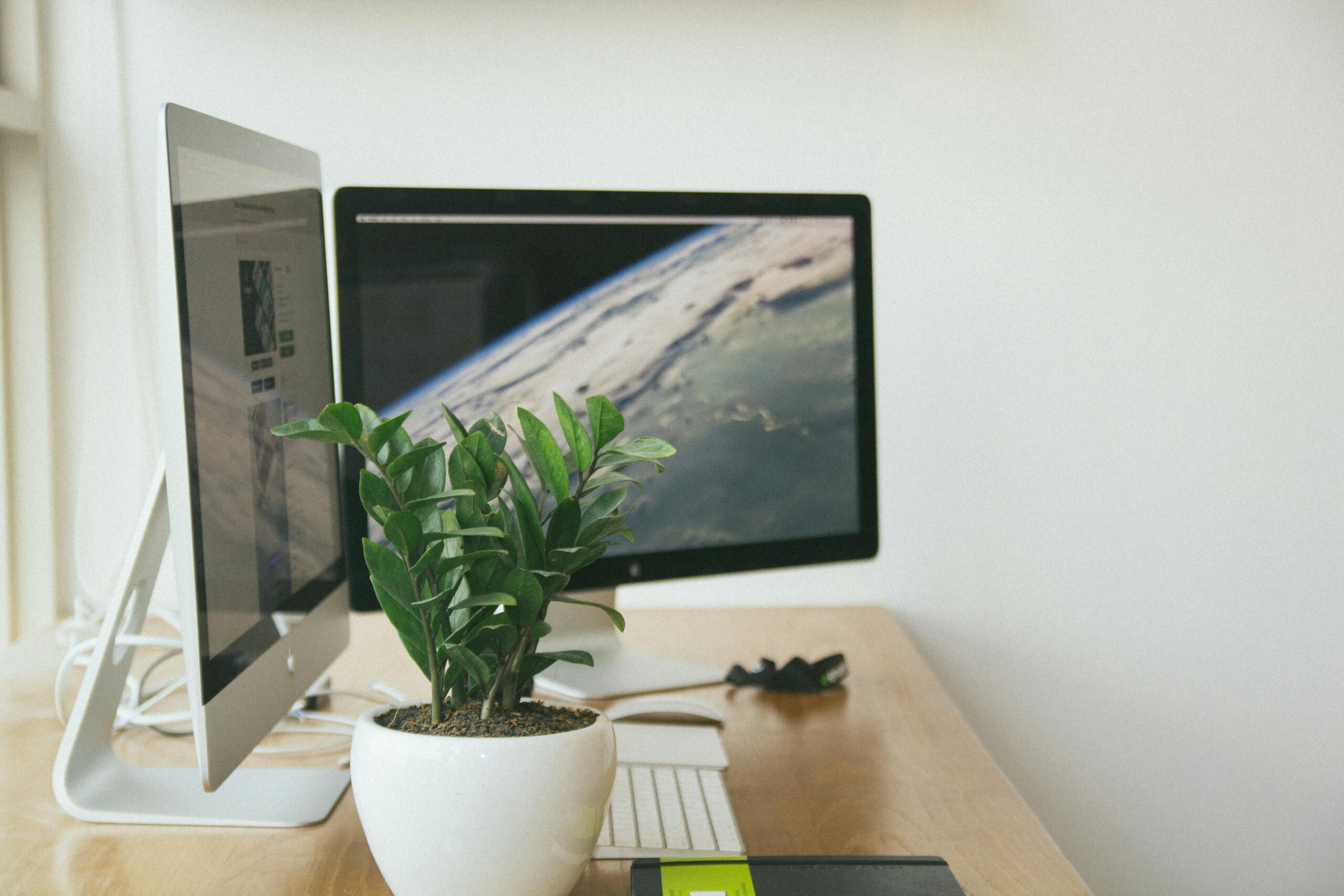
Plants serve double duty—improving air quality while providing psychological benefits. Snake plants, pothos, and spider plants require minimal maintenance while actively filtering air toxins.
🍽️ Strategic Nutrition for Sustained Energy
What you eat and when you eat it profoundly impacts mental clarity, energy stability, and long-term health outcomes. Desk workers face unique nutritional challenges, particularly the temptation of constant snacking and heavy lunches that trigger afternoon crashes.
Time-restricted eating, where you consume all calories within an 8-10 hour window, offers significant benefits for desk workers. This approach naturally limits mindless snacking and promotes metabolic flexibility—your body’s ability to efficiently switch between burning carbohydrates and fats for fuel.
The Lunch Decision That Changes Everything
Heavy, carbohydrate-rich lunches spike blood sugar, followed by insulin surges that leave you drowsy and unfocused. Instead, prioritize protein and healthy fats with moderate complex carbohydrates from vegetables. A lunch built around grilled chicken or fish with olive oil, vegetables, and a small portion of quinoa or sweet potato maintains stable energy.
Consider eating your largest meal at breakfast or dinner rather than lunch. This prevents the post-lunch energy dip that plagues most office workers and keeps your afternoon productive.
Hydration Beyond Just Water
Dehydration impairs cognitive function before you feel thirsty. However, constantly sipping plain water can dilute electrolytes, especially if you’re consuming low-sodium diets. Adding a pinch of high-quality sea salt to your water or drinking mineral water ensures proper electrolyte balance.
Green tea provides a perfect afternoon alternative to coffee. The L-theanine content promotes calm focus while modest caffeine levels enhance alertness without the jittery effects or subsequent crash associated with coffee.
🏃 Movement Strategies That Actually Fit Your Schedule
Prolonged sitting increases mortality risk independent of exercise habits—meaning you can’t simply “cancel out” eight hours of sitting with a gym session. The solution requires integrating movement throughout your entire day.
Set a timer for every 25-30 minutes to stand and move for 2-3 minutes. This isn’t about intense exercise; simply standing, walking, or doing light stretches interrupts the metabolic dysfunction associated with prolonged sitting. These brief interruptions maintain insulin sensitivity and prevent the blood pooling that causes afternoon fatigue.
Desk-Friendly Movement Protocols
Walking meetings transform sedentary discussions into opportunities for movement and often generate more creative solutions. Phone calls provide another perfect opportunity to stand and move around your space.
Standing desks offer benefits when used strategically—alternating between sitting and standing rather than standing all day. Start with 20 minutes of standing per hour and gradually increase as your body adapts.
Simple exercises you can perform at your desk include:
- Desk push-ups or wall push-ups (2-3 minutes every hour)
- Bodyweight squats while waiting for files to download or calls to connect
- Shoulder rolls and neck stretches to counteract forward head posture
- Ankle circles and calf raises to maintain circulation in your lower legs
- Seated spinal twists to maintain mobility in your thoracic spine
🧠 Cognitive Enhancement Through Strategic Breaks
Your brain isn’t designed for sustained attention on a single task. Understanding and working with your natural attention cycles dramatically improves productivity and reduces mental fatigue.
The ultradian rhythm describes 90-120 minute cycles of high and low alertness throughout the day. Working intensely for 90 minutes followed by a 15-20 minute break aligns with these natural rhythms, producing better results than forcing continuous work.
What Makes an Effective Break
Not all breaks are created equal. Scrolling social media or watching videos doesn’t provide cognitive restoration—it simply shifts attention without allowing recovery. Effective breaks include:
- Brief walks outside, preferably viewing distant horizons to relax eye muscles
- Box breathing or simple meditation (4-count inhale, 4-count hold, 4-count exhale, 4-count hold)
- Light stretching or mobility work
- Brief social interaction with colleagues
- Looking at natural scenery, even through a window
The Non-Sleep Deep Rest (NSDR) protocol, popularized by neuroscientist Andrew Huberman, involves 10-20 minute guided relaxation sessions that restore mental energy more effectively than scrolling your phone. Several apps offer NSDR protocols specifically designed for midday restoration.
⚡ Energy Management Through Strategic Supplementation
While whole foods should form your nutritional foundation, strategic supplementation addresses specific deficiencies common among desk workers who spend most daylight hours indoors.
Vitamin D deficiency affects the majority of office workers. This hormone-like vitamin influences everything from immune function to mood regulation. Without regular sun exposure, supplementation becomes necessary—typically 2000-4000 IU daily, though individual needs vary based on blood testing.
Magnesium: The Relaxation Mineral
Stress depletes magnesium, and magnesium deficiency increases stress sensitivity—creating a vicious cycle. Most people consume insufficient magnesium through diet alone. Magnesium glycinate (300-400mg before bed) improves sleep quality without digestive side effects, helping you recover from workday stress.
Omega-3 fatty acids from fish oil or algae support brain health, reduce inflammation, and improve mood. Desk workers consuming typical Western diets often have omega-6 to omega-3 ratios far from optimal, contributing to systemic inflammation.
Adaptogens for Stress Resilience
Adaptogenic herbs help your body manage stress more effectively. Rhodiola rosea enhances mental performance during stressful periods, while ashwagandha reduces cortisol levels and anxiety. These aren’t stimulants—they help normalize your stress response rather than artificially boosting energy.
😴 Sleep Optimization: The Foundation of Everything
No biohacking strategy compensates for poor sleep. Quality sleep determines cognitive performance, immune function, metabolic health, and nearly every other aspect of human functioning.
Your evening routine matters as much as your morning protocol. Blue light from screens suppresses melatonin production, delaying sleep onset and reducing sleep quality. Installing blue light filtering software on your devices or wearing blue-blocking glasses after sunset preserves natural melatonin rhythms.
Creating the Perfect Sleep Environment
Your bedroom should be cool (65-68°F or 18-20°C), completely dark, and quiet. Even small amounts of light disrupt sleep quality—consider blackout curtains and covering LED indicators on electronics.
A consistent sleep schedule, even on weekends, strengthens circadian rhythms. Going to bed and waking at the same time trains your body’s internal clock, making both falling asleep and waking easier over time.
Avoid caffeine after 2 PM. Caffeine has a half-life of 5-6 hours, meaning afternoon coffee still affects your system at bedtime, reducing deep sleep even if you successfully fall asleep.
🎯 Tracking and Measuring Your Progress
Biohacking requires experimentation and measurement. What works optimally varies between individuals based on genetics, lifestyle, and environment. Tracking key metrics helps identify which interventions provide the greatest benefits for your specific situation.
Simple metrics worth tracking include morning resting heart rate, subjective energy levels throughout the day, sleep quality, and cognitive performance on demanding tasks. Wearable devices provide objective data, but even a simple journal noting daily habits and corresponding energy levels reveals patterns over time.
The Power of Single-Variable Testing
Implement one change at a time and maintain it for at least a week before adding another variable. This approach clearly identifies which interventions produce meaningful improvements versus which provide minimal benefit for your effort investment.
Create a simple tracking table to monitor your experiments:
| Intervention | Start Date | Energy Impact (1-10) | Focus Impact (1-10) | Notes |
|---|---|---|---|---|
| Morning sunlight exposure | Week 1 | 8 | 7 | Consistent afternoon energy |
| Delayed coffee timing | Week 2 | 7 | 8 | No midday crash |
| Movement breaks every 30 min | Week 3 | 9 | 9 | Significant improvement |

🔄 Building Sustainable Habits That Last
The most sophisticated biohacking protocol fails if you can’t maintain it long-term. Sustainable change requires starting small and building progressively rather than attempting complete lifestyle transformation overnight.
Choose one intervention from this article that resonates most strongly with your current challenges. Master that single habit for two weeks before adding another. This approach prevents overwhelm while building momentum through consistent small wins.
Stack new habits onto existing routines. For example, perform cold water exposure at the end of your existing shower routine, or do desk exercises during your already-scheduled coffee break. Habit stacking leverages existing neural pathways, making new behaviors easier to maintain.
The Compound Effect of Small Improvements
A 1% improvement across multiple areas of your daily routine creates exponential results over time. You don’t need perfect optimization—consistent implementation of several modest improvements produces dramatic transformation over months.
Desk work doesn’t doom you to poor health and declining performance. By strategically applying biohacking principles throughout your day—from morning light exposure through movement breaks to evening wind-down protocols—you transform your work environment from an obstacle into an opportunity for optimization.
Your potential isn’t locked away by your desk job. It’s simply waiting for the right inputs to unlock it. Start with one strategy today, measure your results, and progressively build a personalized system that helps you not just survive but genuinely thrive throughout your entire workday. Your future self will thank you for the investment.