Modern life surrounds us with screens and artificial light sources that emit blue light, affecting our health, productivity, and sleep patterns in profound ways.

🔵 Understanding Blue Light and Its Impact on Daily Life
Blue light is a high-energy visible light with wavelengths between 380 and 500 nanometers. While natural blue light from the sun helps regulate our circadian rhythm, keeps us alert, and boosts our mood, excessive exposure to artificial blue light from digital devices and LED lighting can disrupt these natural processes. The average person now spends over seven hours daily in front of screens, creating an unprecedented level of blue light exposure that our ancestors never experienced.
Our eyes are not designed to filter blue light effectively. Unlike ultraviolet light, which the cornea and lens block, blue light penetrates deeply into the eye, reaching the retina. This constant bombardment can lead to digital eye strain, characterized by dry eyes, headaches, blurred vision, and difficulty focusing. More concerning is the emerging research linking chronic blue light exposure to potential long-term retinal damage and increased risk of age-related macular degeneration.
The timing of blue light exposure matters tremendously. Evening exposure suppresses melatonin production by up to 50%, shifting our circadian rhythm and making it harder to fall asleep. This disruption cascades into reduced sleep quality, affecting everything from cognitive performance to immune function and metabolic health.
💡 The Science Behind Strategic Lighting Design
Effective lighting design recognizes that not all light is created equal, and different spaces require different lighting strategies. Understanding color temperature, measured in Kelvin, is fundamental to controlling blue light exposure. Lower color temperatures around 2700K produce warm, amber light with minimal blue wavelengths, while higher temperatures above 5000K emit cooler, blue-rich light that mimics midday sun.
The concept of circadian lighting has emerged as a cornerstone of healthy lighting design. This approach aligns artificial lighting with our natural biological rhythms, providing bright, blue-rich light during morning and afternoon hours to promote alertness, then transitioning to warmer, dimmer light as evening approaches to support natural melatonin production and sleep preparation.
Lighting intensity, measured in lux, also plays a crucial role. Our bodies interpret bright light as a daytime signal, regardless of the actual time. A well-designed space incorporates multiple light sources at varying intensities, allowing occupants to adjust lighting levels throughout the day to match their circadian needs and task requirements.
🏠 Transforming Home Spaces with Blue Light Management
Your bedroom should be a sanctuary optimized for rest and recovery. Start by eliminating or covering LED alarm clocks and electronic devices that emit blue light during nighttime hours. Install warm-toned LED bulbs rated at 2700K or lower in bedside lamps and overhead fixtures. Consider using salt lamps or amber nightlights for late-evening navigation, as these emit virtually no blue wavelengths.
Smart lighting systems offer unprecedented control over your home’s light environment. These systems allow you to program lighting schedules that automatically adjust color temperature and brightness throughout the day. Morning routines can begin with gradually increasing light that mimics sunrise, while evening sequences can slowly transition to warmer tones that promote relaxation.
Living rooms present unique challenges as they serve multiple functions. Layer your lighting with a combination of ambient, task, and accent lighting. Use overhead fixtures with tunable white technology that allows color temperature adjustment. For evening entertainment, install bias lighting behind televisions to reduce eye strain while minimizing additional blue light exposure.
Kitchen and Dining Area Optimization
Kitchens require bright, accurate lighting for food preparation and safety, but this doesn’t mean flooding the space with blue light. Install high-CRI (Color Rendering Index) warm white LEDs that provide excellent visibility without excessive blue wavelengths. Under-cabinet lighting should use 3000K bulbs that enhance food appearance while remaining circadian-friendly.
Dining areas benefit from dimmable fixtures that create ambiance during evening meals. Research shows that bright blue light during dinner hours can disrupt digestion and interfere with the body’s preparation for sleep. Installing dimmer switches allows you to reduce light intensity by 50-70% during evening dining, promoting better digestion and family connection.
🏢 Office Lighting Strategies for Enhanced Productivity
Workplace lighting dramatically impacts employee performance, well-being, and long-term health. Traditional office lighting often consists of overhead fluorescent fixtures that emit significant blue light throughout the workday, creating afternoon fatigue and evening sleep difficulties. Modern office design embraces human-centric lighting principles that support both productivity and health.
Natural light should be the foundation of any office lighting strategy. Position workstations near windows to maximize daylight exposure, especially during morning hours when natural blue light supports alertness and focus. However, implement window treatments that prevent glare and allow light modulation throughout the day.
For spaces without adequate natural light, tunable LED panels provide an effective alternative. These fixtures can be programmed to deliver energizing blue-rich light during morning and early afternoon hours, then gradually shift to warmer tones as the workday progresses. Studies show this approach reduces afternoon fatigue by up to 30% and improves evening sleep quality.
Individual Workstation Solutions
Task lighting gives employees control over their immediate light environment. Provide adjustable desk lamps with color temperature controls, allowing workers to customize lighting based on task requirements and personal preferences. For detailed work requiring high visual acuity, cooler light around 4000K may be appropriate, while warmer light supports reading and less demanding tasks.
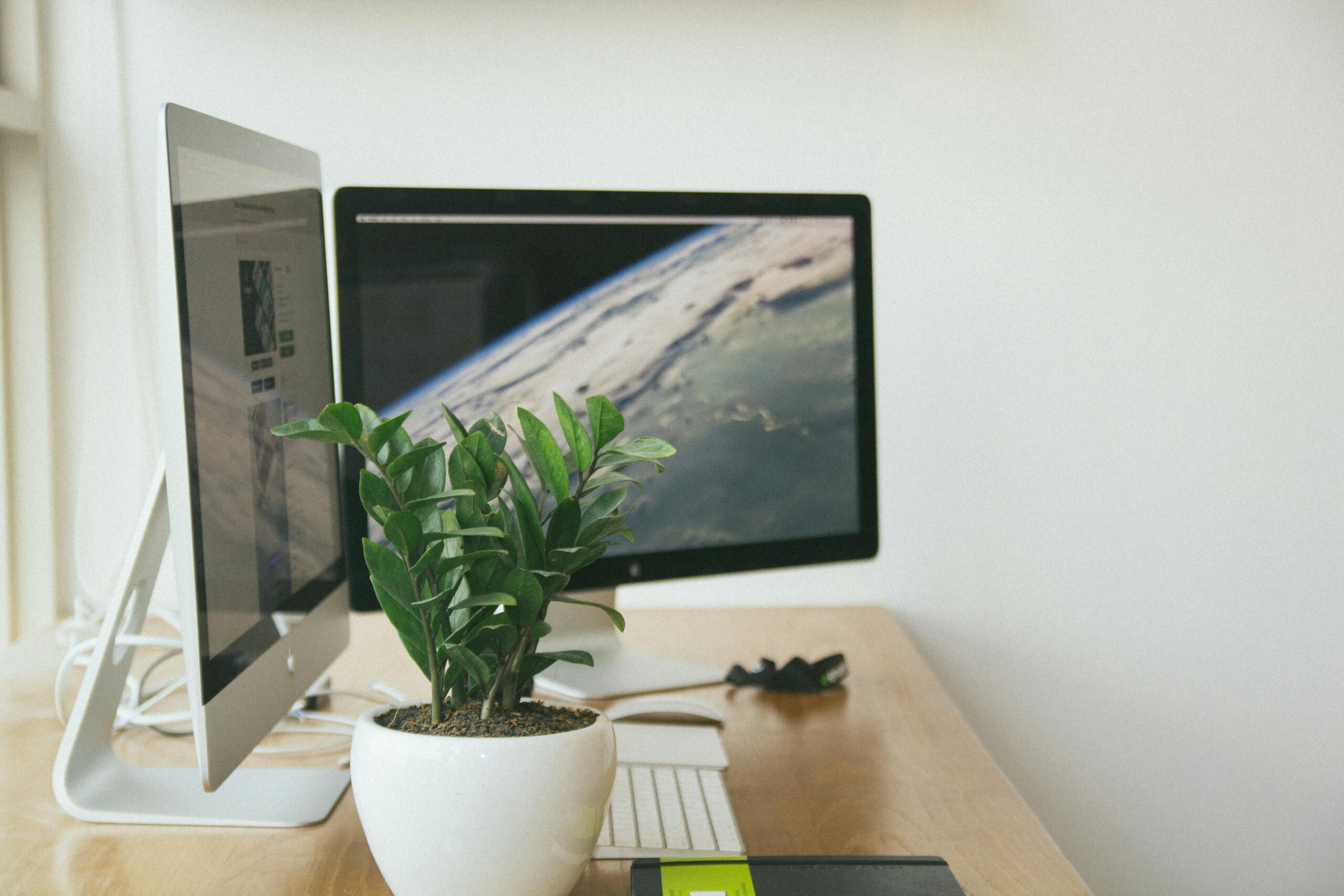
Monitor positioning and settings significantly affect blue light exposure. Place screens perpendicular to windows to minimize glare while maintaining natural light benefits. Reduce monitor brightness to match ambient light levels rather than operating at maximum brightness. Most modern monitors include blue light reduction settings that shift display color temperature without requiring additional software.
📱 Digital Device Management and Blue Light Control
Screen time management extends beyond simple reduction. Most smartphones, tablets, and computers now include built-in blue light filtering options. iOS devices feature Night Shift, while Android offers Blue Light Filter functions. These settings reduce blue wavelength emission by shifting screen color toward the warmer end of the spectrum.
Schedule these features to activate automatically 2-3 hours before bedtime. Research indicates this timing allows melatonin production to begin naturally, improving sleep onset and quality. Many users report initial color temperature changes feel unnatural, but adaptation typically occurs within 2-3 days of consistent use.
Computer users can implement similar protections through operating system settings or third-party applications. Windows includes Night Light functionality, while macOS offers Night Shift. For users requiring additional control or using older operating systems, applications like f.lux provide extensive customization options for color temperature adjustment based on time of day and geographic location.
🎨 Selecting the Right Bulbs and Fixtures
The lighting market offers overwhelming choices, but understanding key specifications simplifies selection. Color temperature, measured in Kelvin, should guide your primary decisions. For bedrooms and evening spaces, choose 2200K-2700K. Living areas work well with 2700K-3000K. Home offices and task areas may use 3000K-4000K for daytime work, with warmer options for evening hours.
CRI (Color Rendering Index) indicates how accurately a light source reveals colors compared to natural sunlight. Select bulbs with CRI ratings above 90 for spaces where color accuracy matters, such as kitchens, bathrooms, and workspaces. Higher CRI bulbs provide better visual comfort and reduce eye strain during extended use.
Smart bulbs with tunable white technology represent the gold standard for blue light management. These bulbs allow real-time adjustment of both brightness and color temperature through smartphone apps or voice commands. While more expensive initially, they provide maximum flexibility and can significantly improve circadian health outcomes.
Understanding Dimming Technology
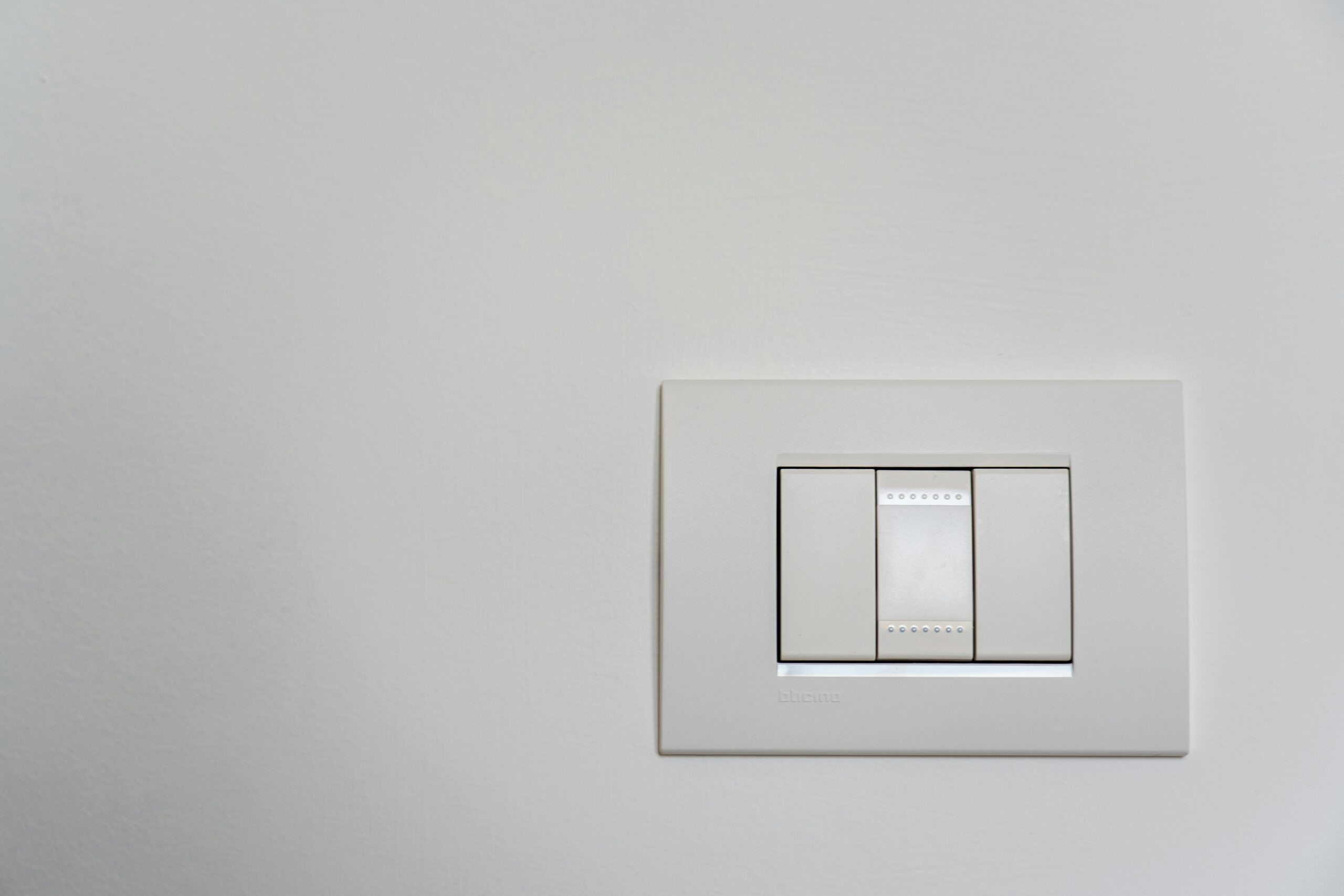
Not all dimming systems are equal. Traditional phase-cut dimmers designed for incandescent bulbs may cause flickering or limited range with LED fixtures. Ensure compatibility between dimmers and bulbs, preferably using LED-specific dimming systems. Flicker-free dimming is essential, as imperceptible flicker contributes to eye strain and headaches.
0-10V dimming systems offer superior performance for commercial applications and dedicated home lighting systems. These systems provide smooth dimming across the full range, from 1-100%, without the flickering or buzzing common in other dimming technologies. Digital addressable lighting systems like DALI provide even greater control for complex installations.
🌅 Creating Circadian-Friendly Daily Lighting Schedules
Morning lighting should energize and awaken. Begin with gradually increasing light intensity starting 30 minutes before wake time if using automated systems. Morning light should be bright, around 5000-6500K, mimicking natural daylight. Aim for at least 30 minutes of bright light exposure upon waking to suppress residual melatonin and set your circadian clock.
Midday lighting can maintain alertness through adequate intensity without excessive blue wavelengths. Natural light remains ideal during these hours. If relying on artificial sources, maintain brightness levels while gradually shifting toward neutral white around 4000K as afternoon progresses.
Evening transitions are critical for sleep preparation. Begin reducing blue light exposure 2-3 hours before bedtime. Dim lights to 30-50% of daytime levels and shift color temperature to 2700K or lower. Create distinct visual cues that signal your body to begin producing melatonin naturally.
🔧 Practical Implementation Steps for Any Space
Audit your current lighting by documenting all light sources, their color temperatures, and usage patterns. Use a smartphone light meter app to measure brightness levels in different areas throughout the day. Identify problematic fixtures that emit excessive blue light during evening hours or provide inadequate lighting for specific tasks.
Prioritize changes based on impact and feasibility. Begin with bedroom optimization as sleep quality improvements cascade into better overall health. Replace bedside lamps and overhead fixtures with warm white bulbs. Cover or remove blue light sources visible from bed. Install blackout curtains to eliminate external light pollution.
Phase implementation allows budget management and adjustment testing. Start with simple bulb replacements in high-priority areas. Add dimmer switches to frequently used fixtures. Upgrade to smart lighting systems in key rooms where automated scheduling provides maximum benefit. Monitor sleep quality, energy levels, and eye comfort as changes are implemented.
Budget-Conscious Approaches
Effective blue light management doesn’t require complete home renovation. Blue light blocking glasses offer affordable protection during evening screen use, costing $15-50 for quality options. Amber bulbs for bedside lamps cost under $10 and provide immediate benefits. Smartphone settings and free computer applications eliminate screen-based blue light without any cost.
Progressive upgrades allow spreading costs over time. Replace bulbs as they burn out with circadian-appropriate options. Add one or two smart bulbs in crucial locations like bedrooms and home offices. Invest in quality task lighting for workspaces where eye strain is most problematic. Each incremental change contributes to overall improvement.
🌟 Measuring Success and Adjusting Your Approach
Track subjective improvements in sleep quality, including time to fall asleep, number of nighttime awakenings, and morning alertness. Keep a simple journal noting these factors before implementing changes and throughout the adjustment period. Most people report noticeable improvements within one to two weeks of consistent blue light management.
Monitor eye comfort and digital eye strain symptoms. Reduced eye fatigue, fewer headaches, and decreased dryness indicate effective lighting strategies. If symptoms persist, reassess screen time, monitor positioning, and ensure adequate ambient lighting that reduces contrast between screens and surroundings.
Energy and productivity changes often manifest subtly. Notice afternoon alertness levels, concentration quality during demanding tasks, and overall energy patterns throughout the day. Proper circadian lighting should eliminate the mid-afternoon slump many people experience under traditional lighting.
🎯 Empowering Your Environment for Optimal Wellness
Taking control of blue light exposure through thoughtful lighting design represents one of the most impactful modifications you can make to your living and working spaces. The integration of circadian-friendly lighting principles doesn’t require dramatic lifestyle changes or prohibitive costs, but rather a conscious approach to the light environments we create and inhabit daily.
As our understanding of light’s biological effects deepens, the importance of managing blue light exposure becomes increasingly clear. By implementing the strategies outlined throughout this article, you create spaces that support natural biological rhythms, enhance productivity during waking hours, and promote restorative sleep at night. Your environment becomes a tool for wellness rather than a source of chronic stress on your body’s natural systems.
The journey toward optimal lighting is personal and iterative. Start with simple changes, observe their effects, and gradually refine your approach based on your unique responses and needs. Whether transforming a single room or redesigning entire home and office lighting systems, each step toward circadian-conscious lighting design represents an investment in long-term health, productivity, and quality of life. Illuminate your space wisely, and experience the transformative power of light used with intention and understanding. ✨