
Feeling sluggish by mid-afternoon? The secret to sustained energy throughout your day isn’t another cup of coffee—it’s micro-boost snacks that power your body efficiently.

In our fast-paced world, energy crashes have become an unwelcome companion to productivity. We reach for sugary treats or caffeine-loaded beverages, only to experience an inevitable slump hours later. But there’s a smarter approach: strategic micro-boost snacking that provides quick fuel while maintaining stable blood sugar levels and preventing those dreaded energy dips that derail our day.
This comprehensive guide explores how micro-boost snacks can revolutionize your energy management, offering practical solutions for busy professionals, students, athletes, and anyone seeking to optimize their daily performance without relying on quick fixes that ultimately leave you worse off than before.
🔋 Understanding the Energy Crash Phenomenon
Before diving into solutions, let’s understand why energy crashes happen. When you consume high-sugar or refined carbohydrate foods, your blood glucose spikes rapidly. Your pancreas responds by releasing insulin to manage this surge, often overcompensating and causing blood sugar to plummet below baseline levels. This rollercoaster effect leaves you feeling fatigued, irritable, and craving more sugar—creating a vicious cycle.
The typical Western diet, with its emphasis on processed foods and irregular eating patterns, exacerbates this problem. Skipping meals, relying on coffee as meal replacement, and grabbing convenient but nutritionally empty snacks all contribute to unstable energy levels throughout the day.
Additionally, inadequate protein intake, dehydration, and poor sleep quality compound these issues. Your body requires consistent fuel delivery—think of it like maintaining a campfire rather than creating explosions of flame that quickly extinguish.
What Makes a Snack a True Micro-Boost?
Not all snacks are created equal. Micro-boost snacks possess specific characteristics that distinguish them from typical convenience foods. These powerhouse options combine macronutrients strategically to provide immediate energy while preventing subsequent crashes.
A genuine micro-boost snack should contain balanced proportions of complex carbohydrates, quality protein, and healthy fats. This trifecta ensures gradual glucose release, sustained satiety, and steady energy delivery to your cells. Portion control is equally important—these snacks should be substantial enough to provide fuel but not so large they cause digestive sluggishness.
Ideally, micro-boost snacks should be portable, require minimal preparation, and contain nutrient density beyond mere calories. The goal is nourishment that supports cognitive function, physical performance, and metabolic health simultaneously.
The Macronutrient Sweet Spot ⚖️
Research suggests that the optimal micro-boost snack contains approximately 150-250 calories with a balanced ratio of macronutrients. Aim for roughly 40% carbohydrates (preferably complex), 30% protein, and 30% healthy fats. This combination provides quick-acting energy from carbs, sustained fuel from fats, and muscle-preserving, appetite-regulating protein.
Fiber content is another critical factor. Snacks containing at least 3-5 grams of fiber slow digestion and glucose absorption, preventing the spike-and-crash pattern. Fiber also promotes gut health and enhances feelings of fullness, reducing the likelihood of overeating later.
Top Micro-Boost Snack Options for Sustained Energy
Let’s explore practical, delicious options that deliver on the micro-boost promise. These selections have been chosen for their nutritional profile, accessibility, and real-world effectiveness in maintaining energy levels.
Nut Butter and Apple Slices 🍎
This classic combination exemplifies micro-boost principles perfectly. Apple slices provide natural sugars and fiber, while almond or peanut butter contributes protein and healthy fats. The result is a snack that satisfies sweet cravings while delivering sustained energy for 2-3 hours.
Choose natural nut butters without added sugars or hydrogenated oils. A medium apple with two tablespoons of nut butter provides approximately 200 calories with excellent macronutrient balance. The fiber in apple skin is particularly valuable for blood sugar regulation.
Greek Yogurt with Berries and Seeds
Greek yogurt offers substantially more protein than regular yogurt—typically 15-20 grams per serving. Pair it with antioxidant-rich berries for natural sweetness and complex carbohydrates, then sprinkle chia or hemp seeds for omega-3 fatty acids and additional fiber.
This combination supports cognitive function while providing probiotics for gut health. The protein content makes this option particularly valuable for post-workout recovery or afternoon energy maintenance when lunch feels distant.
Trail Mix: The Portable Powerhouse 🥜
Creating your own trail mix allows customization while avoiding the excessive sugar found in commercial varieties. Combine raw almonds, walnuts, pumpkin seeds, unsweetened coconut flakes, and a small amount of dark chocolate chips or dried fruit.
The variety of textures and flavors satisfies psychological eating needs while delivering diverse nutrients. Nuts provide magnesium and B vitamins essential for energy metabolism, while seeds contribute minerals like zinc and selenium that support cellular function.
Hummus and Vegetable Sticks
This Mediterranean-inspired snack offers plant-based protein from chickpeas combined with fiber-rich vegetables. Carrots, bell peppers, cucumber, and celery provide satisfying crunch with minimal calories, while hummus delivers tahini’s healthy fats and complex carbohydrates.
Hummus also contains iron and folate, nutrients commonly deficient in modern diets and directly linked to energy levels. This snack works exceptionally well for mid-morning or mid-afternoon energy support.
Hard-Boiled Eggs with Whole Grain Crackers 🥚
Eggs are nutritional powerhouses containing complete protein, B vitamins, choline for brain health, and healthy fats in perfect portions. Paired with whole grain crackers, they provide the carbohydrate component for immediate energy while the egg protein ensures lasting satiety.
Prepare several hard-boiled eggs at the beginning of your week for grab-and-go convenience. This option is particularly valuable for those following higher-protein eating patterns or needing substantial energy support.
Avocado on Rice Cakes
Avocado provides monounsaturated fats that support cardiovascular health and sustained energy release. Rice cakes offer easily digestible carbohydrates without gluten, making this option suitable for those with sensitivities. Add a sprinkle of sea salt or everything bagel seasoning for flavor enhancement.
The healthy fats in avocado also support absorption of fat-soluble vitamins and contribute to hormone production—both essential for maintaining energy and mood stability throughout the day.
Timing Your Micro-Boost Strategy ⏰
Strategic timing amplifies the effectiveness of micro-boost snacking. Rather than waiting until energy crashes, implement preemptive snacking at predictable low-energy periods. For most people, these occur mid-morning (around 10-11 AM) and mid-afternoon (around 3-4 PM).
The gap between meals should ideally not exceed 4-5 hours without fuel. Eating small amounts regularly maintains metabolic rate, prevents excessive hunger that leads to poor food choices, and keeps blood sugar stable.
Pay attention to your individual patterns. Some people experience energy dips earlier or later depending on meal timing, sleep quality, and activity levels. Tracking your energy alongside food intake for several days can reveal personalized patterns worth addressing.
Pre-Workout vs. Post-Workout Snacking
Timing relative to exercise requires special consideration. Pre-workout snacks should emphasize easily digestible carbohydrates with moderate protein, consumed 30-60 minutes before activity. Options like banana with nut butter or a small smoothie work well.
Post-workout snacking should occur within 30-45 minutes of finishing exercise, emphasizing protein for muscle recovery alongside carbohydrates to replenish glycogen stores. Greek yogurt with fruit or a protein smoothie excel in this window.
Common Micro-Boost Snacking Mistakes to Avoid ⚠️
Even with good intentions, several pitfalls can undermine your micro-boost strategy. Awareness of these common errors helps you navigate toward better choices consistently.
First, portion distortion turns healthy snacks into mini-meals. While nuts are nutritious, consuming an entire container can add 500+ calories—more than many meals. Pre-portion snacks into appropriate serving sizes to maintain control.
Second, relying exclusively on packaged “health” products often means consuming hidden sugars, artificial ingredients, and insufficient nutrients. Many protein bars contain as much sugar as candy bars. Read labels carefully and prioritize whole-food options whenever possible.
Third, neglecting hydration can masquerade as hunger or low energy. Dehydration impairs cellular function and cognitive performance. Drink water consistently throughout the day, and consider whether thirst rather than hunger is your actual need.
Finally, inconsistent eating patterns sabotage energy stability. Skipping snacks some days while over-snacking others prevents your body from establishing metabolic rhythm. Consistency matters more than perfection.
Building Your Personal Micro-Boost System 🎯
Creating a sustainable approach requires personalization. Start by assessing your daily schedule, identifying predictable low-energy periods, and planning snacks accordingly. Preparation is the foundation of success—waiting until desperate hunger strikes leads to poor choices.
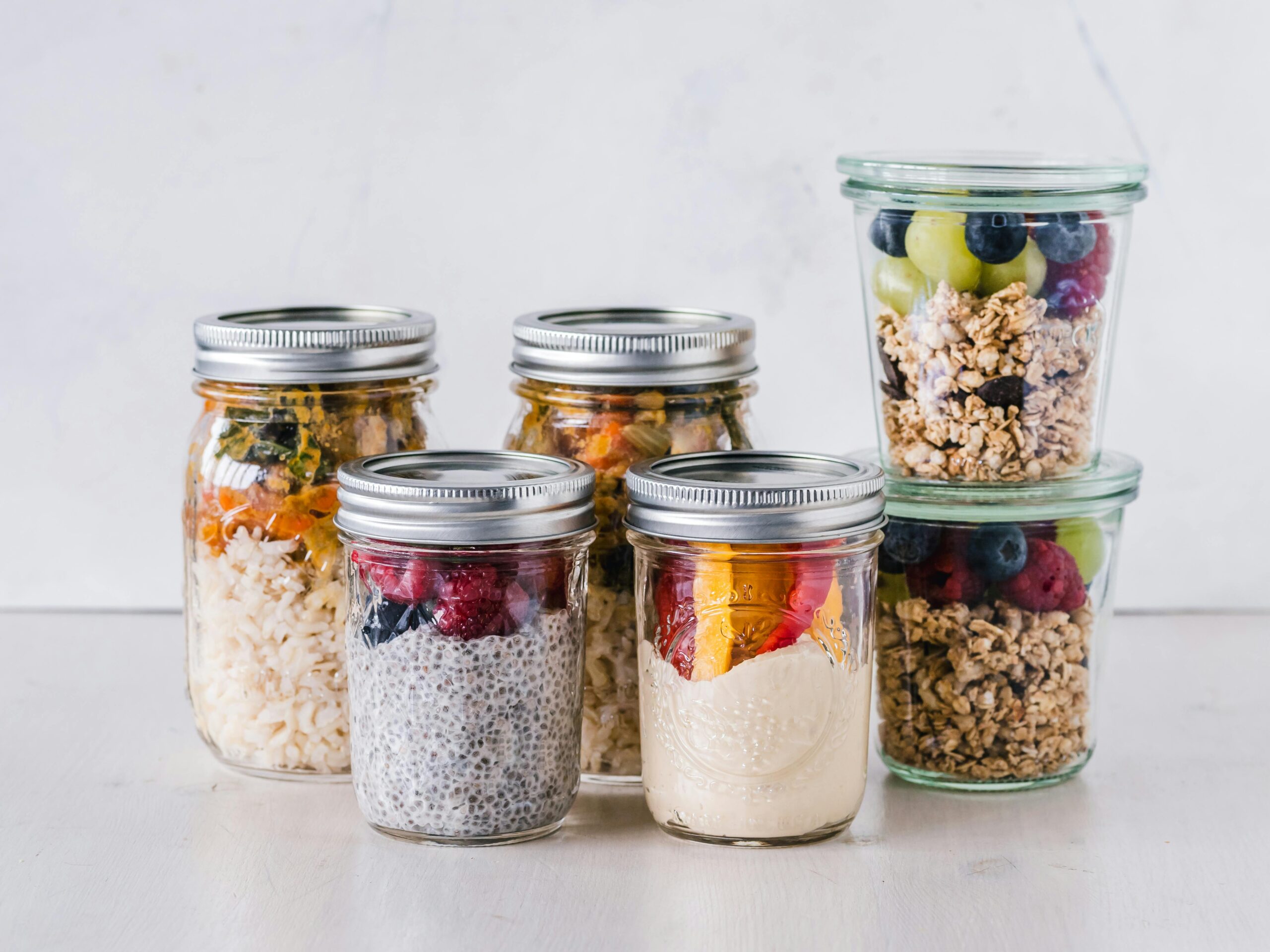
Dedicate time weekly to prepare snack options. Wash and cut vegetables, portion trail mix, prepare hard-boiled eggs, and organize storage containers. This investment of 30-60 minutes creates convenience that rivals processed options.
Keep snack stashes in strategic locations: your desk, car, gym bag, and pantry. Accessibility removes barriers between intention and action. When healthy options are immediately available, you’ll naturally reach for them instead of vending machine alternatives.
Tracking Progress and Adjusting
Consider maintaining a simple energy journal for two weeks. Note when you eat, what you consume, and your energy levels hourly. Patterns will emerge showing which snacks work best for your unique physiology and which timing strategies optimize your performance.
Pay attention to how different foods affect your concentration, mood, physical energy, and appetite. Individual responses vary—some people thrive on higher-fat snacks while others perform better with more carbohydrates. There’s no universal solution, only what works for you.
Micro-Boost Snacking for Specific Lifestyles
Different life circumstances require adapted approaches. Athletes need higher calorie density and faster-acting carbohydrates around training. Office workers might prioritize non-perishable options that don’t require refrigeration.
Parents managing children’s schedules benefit from portable, mess-resistant choices that provide example-setting nutrition. Students during exam periods need brain-supporting nutrients like omega-3s, B vitamins, and antioxidants alongside sustained energy.
Remote workers face unique challenges with constant kitchen access potentially leading to grazing behavior. Establishing designated snack times with pre-portioned options helps maintain boundaries between working and eating.
The Mind-Body Energy Connection 🧠
While nutrition forms the foundation, energy management extends beyond food. Sleep quality, stress levels, physical activity, and mental health all profoundly impact how you experience energy throughout the day.
Chronic stress elevates cortisol, disrupting blood sugar regulation and promoting fat storage around the midsection. Managing stress through meditation, breathing exercises, or movement amplifies the benefits of smart snacking.
Regular physical activity improves insulin sensitivity, meaning your cells use glucose more efficiently. Even brief movement breaks—a five-minute walk or stretching session—can revitalize energy without consuming anything.
Sleep deprivation undermines all nutritional efforts. Poor sleep disrupts hunger hormones leptin and ghrelin, increasing appetite and cravings for high-calorie foods. Prioritizing 7-9 hours of quality sleep nightly is perhaps the most powerful energy management strategy available.
Creating Lasting Micro-Boost Habits 💪
Transformation happens through consistent small actions rather than dramatic overhauls. Start by introducing one or two micro-boost snacks into your routine. Once these become automatic, add additional strategies gradually.
Remove temptation by clearing your environment of energy-sabotaging foods. If chips and cookies aren’t available, you can’t impulsively consume them during vulnerable moments. Replace them with prepared healthy alternatives that require equal convenience.
Find accountability through a friend, family member, or tracking app that helps maintain consistency. Sharing your goals and progress creates external motivation during periods when internal drive wanes.
Celebrate small victories. Notice when you successfully navigate a previously challenging time without crashing. Acknowledge increased productivity, better mood, and improved well-being. These non-scale victories often matter more than any other metric.
Your Energy Revolution Starts Now
Sustainable energy throughout your day isn’t about willpower or complicated protocols—it’s about strategic micro-boost snacking that works with your body’s natural rhythms. By choosing nutrient-dense combinations of protein, complex carbohydrates, and healthy fats, you provide your cells with consistent fuel that prevents crashes and optimizes performance.
The journey from energy rollercoaster to stable vitality requires initial planning and adjustment, but the payoff—enhanced productivity, better mood, improved health markers, and genuine enjoyment of your daily activities—far exceeds the effort invested.
Start today with a single change. Replace one energy-sabotaging snack with a micro-boost alternative. Notice the difference. Then build from there, creating a personalized system that supports your unique needs, preferences, and lifestyle. Your most energized, productive, and vibrant self awaits on the other side of this simple yet powerful shift.