
In today’s fast-paced world, stress accumulates like invisible weight on our shoulders, demanding intentional practices to release tension and restore balance to our lives.

The concept of “closing the stress loop” has emerged as a powerful framework for understanding how our bodies and minds process stress. Unlike our ancestors who experienced acute stress followed by physical resolution, modern humans often carry incomplete stress cycles throughout their days, leading to chronic tension, anxiety, and burnout. This article explores practical, science-backed daily rituals that help you complete these stress cycles, unwind effectively, and recharge your wellbeing.
Understanding the Stress Cycle and Why It Matters 🧠
Before diving into solutions, it’s essential to understand what we’re actually addressing. The stress cycle refers to the physiological and psychological process your body undergoes when encountering a stressor. This cycle begins with a trigger, moves through a stress response, and ideally concludes with resolution and recovery.
The problem many of us face isn’t stress itself—it’s the incomplete processing of stress. When you receive a frustrating email, your body releases cortisol and adrenaline, preparing for action. But unlike a gazelle escaping a lion and then shaking off the experience, you likely just sit at your desk, letting that stress energy remain trapped in your system.
Research from the American Psychological Association indicates that chronic stress contributes to the six leading causes of death, including heart disease, cancer, and accidents. Learning to close your stress loops isn’t just about feeling better—it’s a fundamental health practice.
Morning Rituals That Set the Tone for Stress Resilience ☀️
How you begin your day significantly influences your stress response throughout the remaining hours. Creating morning rituals that ground you can build resilience before challenges even arise.
The Power of Mindful Awakening
Rather than immediately reaching for your phone, spend the first five minutes of your day in conscious awareness. Notice your breath, feel the weight of your body on the mattress, and set an intention for the day. This simple practice activates your parasympathetic nervous system, creating a calm foundation.
Consider implementing a structured morning routine that includes movement, even if brief. A ten-minute stretching session or yoga sequence helps discharge any residual stress from the previous day and prepares your body for new challenges. Physical movement is one of the most effective ways to complete stress cycles that may have been left open.
Nourishment as a Grounding Practice
Eating a balanced breakfast mindfully, without screens or distractions, serves as both physical nourishment and a meditative practice. This simple act grounds you in the present moment and signals to your nervous system that you’re safe and cared for—a powerful counter to stress responses.
Midday Check-ins: Preventing Stress Accumulation 📋
The middle of your day often becomes a pressure cooker of deadlines, meetings, and competing demands. Without intentional interventions, stress compounds exponentially during these hours.
The 90-Minute Work Cycle Method
Research on ultradian rhythms shows that our bodies naturally work in approximately 90-minute cycles. Rather than pushing through for hours without breaks, honor these natural rhythms by incorporating brief recovery periods every 90 minutes.
During these breaks, step away from your workspace entirely. A five-minute walk, a breathing exercise, or simply gazing out a window can help prevent stress from accumulating. These micro-recoveries are far more effective than one long break at day’s end.
Breathwork: Your Portable Stress-Relief Tool
Conscious breathing exercises offer immediate access to your parasympathetic nervous system. The 4-7-8 breathing technique—inhaling for four counts, holding for seven, and exhaling for eight—can shift your nervous system from stress response to relaxation in just a few minutes.
Box breathing, used by Navy SEALs and athletes, provides another accessible option: breathe in for four counts, hold for four, exhale for four, and hold empty for four. Repeat this cycle for three to five minutes whenever you notice tension building.
Movement and Exercise: Completing the Physical Stress Cycle 💪
Physical activity remains the most effective mechanism for completing stress cycles. When stress hormones flood your system, your body expects physical action—the evolutionary response would have been running or fighting. Without this physical release, stress remains physiologically incomplete.
Finding Your Movement Medicine
The best exercise for stress relief is the one you’ll actually do consistently. This might be running, dancing, swimming, martial arts, or even vigorous house cleaning. The key elements are intensity sufficient to elevate your heart rate and duration of at least 20-30 minutes.
Research published in the Journal of Clinical Psychiatry found that regular exercise is as effective as antidepressant medication for mild to moderate depression and anxiety. The stress-reducing benefits appear after just one session, though long-term practice builds resilience.
Incorporating Movement Throughout Your Day
- Take walking meetings instead of sitting in conference rooms
- Use stairs rather than elevators whenever possible
- Do squats or stretches while waiting for coffee to brew
- Stand and move during phone calls
- Park farther away to build in extra walking
- Set hourly reminders to stand and stretch for one minute
The Art of Social Connection: Closing Emotional Stress Loops 🤝
Humans are fundamentally social creatures, and meaningful connection plays a crucial role in stress processing. When you share your experiences with others, you activate different neural pathways than when processing alone.
Quality Over Quantity in Relationships
You don’t need dozens of friends to benefit from social support. Research from the Harvard Study of Adult Development, spanning over 80 years, reveals that the quality of close relationships matters more than quantity. One trusted confidant with whom you can be authentic provides more stress relief than numerous superficial connections.
Build time into your daily routine for genuine connection—a phone call with a friend, quality time with family without devices, or even meaningful interaction with colleagues beyond work topics. These moments of authentic relating help discharge emotional stress that accumulates from isolation or surface-level interactions.
The Healing Power of Laughter and Play
Laughter isn’t just enjoyable—it’s physiologically powerful. It reduces stress hormones, increases endorphins, and improves immune function. Deliberately incorporating humor and play into your daily routine provides regular stress relief.
Watch a funny video during lunch, play with children or pets, engage in recreational activities, or simply allow yourself to be silly. These moments of levity counterbalance the seriousness that often dominates adult life and contributes to chronic stress.
Evening Unwinding: Creating Boundaries Between Day and Rest 🌙
The transition from day to evening requires intentional rituals that signal to your nervous system that it’s safe to downshift. Without clear boundaries, work stress and daily tensions bleed into your rest time, preventing genuine recovery.
Digital Sunset Practice
Establish a time each evening—ideally 60-90 minutes before bed—when you disconnect from work emails, social media, and stimulating content. Blue light from screens suppresses melatonin production, but the psychological stimulation is equally disruptive to unwinding.
Replace screen time with activities that genuinely relax you: reading physical books, gentle stretching, journaling, creative hobbies, or conversation with loved ones. This digital boundary helps close the stress loops that technology often keeps activated.
Reflective Practices for Processing Your Day
Journaling provides a structured way to process daily experiences and close emotional stress loops. Rather than replaying stressful moments in your mind, putting them on paper creates psychological distance and often reveals solutions or perspectives that weren’t visible during the experience.
A simple evening journaling practice might include:
- Three things that challenged you today and what you learned
- Three things you’re grateful for, no matter how small
- One way you showed up for yourself or others
- What you’re releasing from today before sleep
Sleep Hygiene: The Foundation of Stress Recovery 😴
Quality sleep isn’t merely absence of waking—it’s the most profound recovery and stress-processing mechanism your body possesses. During sleep, your brain processes emotional experiences, consolidates memories, and physically repairs damage from daily stressors.
Creating Your Sleep Sanctuary
Transform your bedroom into an environment optimized for restorative sleep. This means cool temperatures (around 65-68°F), complete darkness or an eye mask, minimal noise or white noise to mask disruptions, and a comfortable mattress and pillows.
Consistency matters tremendously for sleep quality. Going to bed and waking at the same times daily—even on weekends—regulates your circadian rhythm and improves both sleep quality and daytime energy levels.
The Pre-Sleep Wind-Down Routine
Your body needs transition time between waking activity and sleep. Create a 30-60 minute wind-down routine that might include a warm bath or shower, gentle stretching, reading, meditation, or listening to calming music. This consistent routine signals to your body that sleep is approaching.
Avoid vigorous exercise, large meals, alcohol, and caffeine in the hours before bed, as these can interfere with sleep quality even if they don’t prevent you from falling asleep.
Meditation and Mindfulness: Training Your Stress Response 🧘
Meditation isn’t about stopping thoughts or achieving perfect calm—it’s about changing your relationship with stress. Regular practice literally rewires your brain, strengthening areas associated with emotional regulation while reducing activity in regions linked to anxiety and reactivity.
Starting a Sustainable Practice
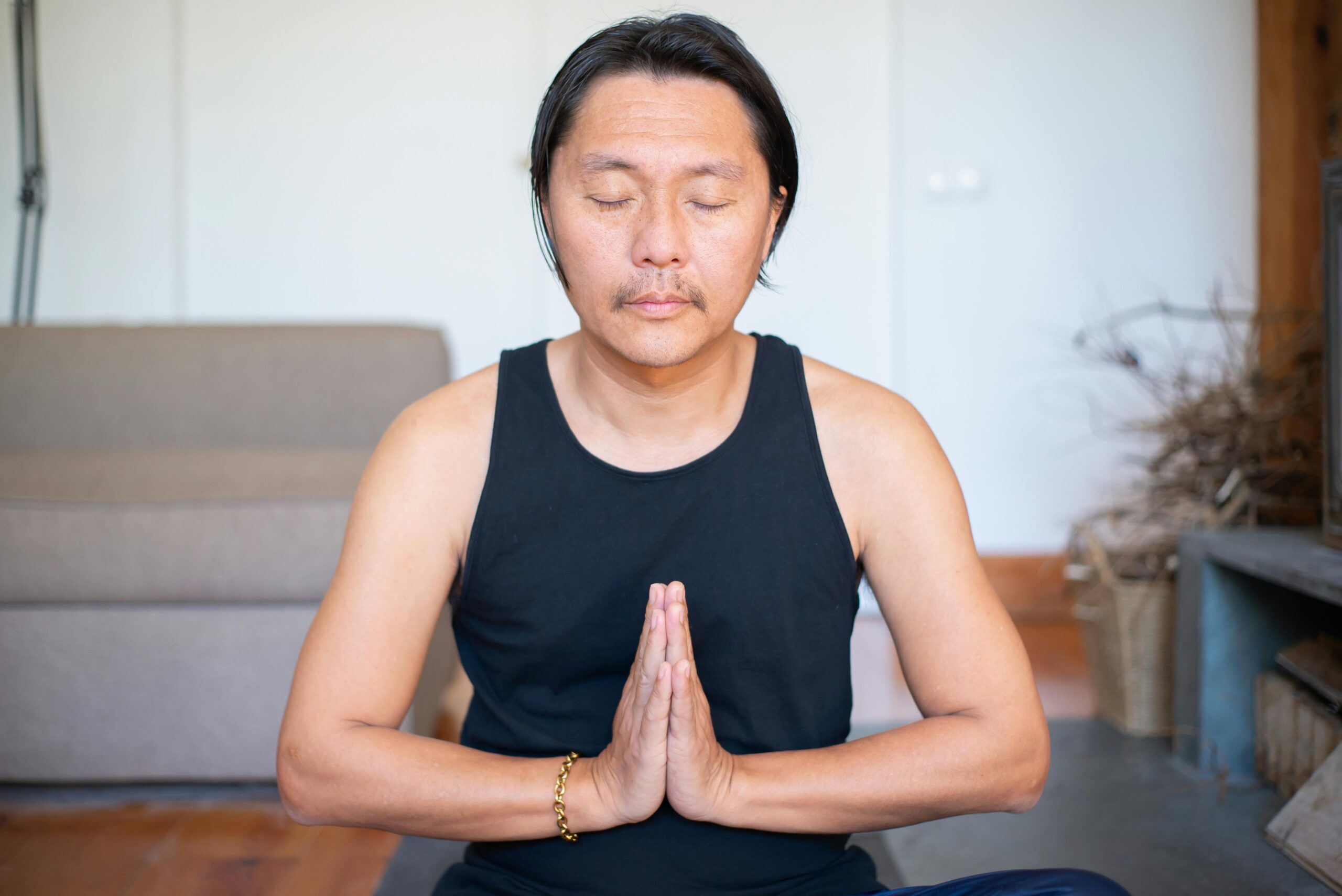
Begin with just five minutes daily rather than attempting lengthy sessions that feel overwhelming. Sit comfortably, focus on your breath, and gently return attention to breathing whenever your mind wanders—which it will, frequently. This returning is the practice, not preventing the wandering.
Apps like Headspace, Calm, or Insight Timer provide guided meditations that can support beginners. The key is consistency rather than duration—five minutes daily builds the habit far more effectively than occasional 30-minute sessions.
Mindfulness Beyond Formal Meditation
Mindfulness extends beyond sitting meditation into daily activities. Washing dishes mindfully, eating without distraction, or walking while fully present all cultivate the awareness that helps you notice and address stress before it accumulates.
This present-moment awareness creates space between stressor and reaction, allowing you to respond consciously rather than react automatically. Over time, this space becomes your greatest tool for managing stress effectively.
Nature Connection: Biophilic Stress Relief 🌿
Humans evolved in natural environments, and our nervous systems still respond powerfully to nature contact. Research consistently shows that time in nature reduces cortisol, lowers blood pressure, improves mood, and enhances cognitive function.
The Japanese practice of “forest bathing” (shinrin-yoku) involves mindfully spending time in forests, and studies demonstrate significant stress reduction from just 15-20 minutes. You don’t need wilderness access—even urban parks, gardens, or tree-lined streets provide benefits.
Daily Nature Micro-Doses
Incorporate small nature connections throughout your day: eat lunch outside, keep plants in your workspace, open windows for fresh air and natural sounds, or take a brief walk in any green space available. These micro-doses accumulate, providing ongoing stress buffering.
Creative Expression: Processing Stress Through Creation 🎨
Creative activities engage different neural pathways than analytical thinking, providing an alternative route for processing stress. Whether through art, music, writing, cooking, gardening, or crafting, creative expression helps discharge emotional tension that verbal processing might miss.
You don’t need talent or training—the stress-relief benefits come from the process, not the product. Coloring, doodling, humming, or free-writing all activate these beneficial pathways. The key is engaging in creation without judgment or performance pressure.
Building Your Personalized Stress-Closing System 🔄
Sustainable wellbeing doesn’t come from perfectly executing every practice mentioned—it comes from building a personalized system that fits your life, preferences, and needs. Experiment with different rituals to discover what actually helps you unwind and recharge.
The Weekly Check-In Practice
Set aside 15 minutes weekly to assess what’s working and what isn’t. Notice which practices you actually do versus those you merely think you should do. Adjust accordingly—effectiveness matters more than idealism.
Track your stress levels, energy, mood, and sleep quality to identify patterns. This data helps you understand which rituals deliver meaningful benefits versus those that might work for others but don’t serve you.
Starting Small and Building Gradually
Rather than overhauling your entire life immediately, choose one or two practices to implement first. Once these become habitual—typically after 3-4 weeks of consistency—add another. This gradual approach builds sustainable change rather than temporary motivation.
Remember that these rituals aren’t additional items on your to-do list creating more stress—they’re the mechanisms that make everything else in your life more manageable. Prioritizing them isn’t selfish; it’s fundamental to your capacity to show up effectively for all your responsibilities and relationships.
When Daily Rituals Aren’t Enough: Recognizing the Need for Additional Support 💙
While daily stress-closing practices provide powerful support, sometimes stress crosses into territory requiring professional help. Persistent anxiety, depression, inability to function normally, or thoughts of self-harm indicate the need for therapy or medical intervention.
There’s no virtue in struggling alone when support is available. Mental health professionals offer tools and perspectives that complement—not replace—your daily rituals. Recognizing when you need additional help demonstrates wisdom and self-awareness, not weakness.
Your Invitation to Begin Today 🌟
Closing your stress loops through daily rituals isn’t a luxury reserved for those with abundant time and resources—it’s a necessity for sustainable wellbeing in modern life. The practices outlined here work because they address the fundamental ways your nervous system processes stress, not through willpower or positive thinking alone.
Start where you are, with what you have. Choose one practice from this article that resonates with you and commit to it for one week. Notice what shifts. Then build from there, gradually creating your personalized system for unwinding, recharging, and maintaining your wellbeing.
Your stress loops are waiting to be closed. Your nervous system is ready to downshift from chronic activation. Your wellbeing is worth the intentional investment. The question isn’t whether you have time for these practices—it’s whether you can afford not to make time for them.
Begin today. Your future self will thank you for the care you’re taking now.