Light exposure plays a crucial role in regulating our circadian rhythms, mood, energy levels, and overall health. Modern wearables and apps now make it possible to track and optimize your daily light intake with unprecedented precision.

☀️ Why Light Exposure Matters More Than You Think
Our bodies evolved under the natural cycle of sunlight and darkness, which programmed our internal biological clocks. This circadian rhythm influences sleep patterns, hormone production, metabolism, and even cognitive performance. However, modern indoor lifestyles have dramatically altered our light exposure patterns, often with detrimental effects on our well-being.
Research consistently shows that insufficient daylight exposure contributes to sleep disorders, seasonal affective disorder (SAD), reduced vitamin D production, and disrupted melatonin cycles. Conversely, excessive blue light exposure during evening hours can suppress melatonin production and delay sleep onset, creating a cascade of health issues.
The average person now spends approximately 90% of their time indoors, receiving significantly less natural light than our ancestors. Indoor lighting typically provides only 100-500 lux, while outdoor daylight can deliver 10,000-100,000 lux even on cloudy days. This dramatic discrepancy has prompted scientists and health professionals to emphasize the importance of intentional light exposure management.
🔬 The Science Behind Light and Health
Light affects our bodies through specialized photoreceptor cells in the retina called intrinsically photosensitive retinal ganglion cells (ipRGCs). These cells are particularly sensitive to blue wavelengths around 480 nanometers and communicate directly with the suprachiasmatic nucleus (SCN), our master circadian clock located in the hypothalamus.
When morning light hits these receptors, it signals the brain to suppress melatonin production, increase cortisol levels, and promote alertness. This natural awakening process helps establish proper circadian alignment. Evening darkness triggers the opposite response, preparing the body for restorative sleep.
Beyond circadian regulation, adequate light exposure influences serotonin production, which affects mood and emotional well-being. This connection explains why light therapy has become an evidence-based treatment for seasonal depression and certain mood disorders.
Key Health Benefits of Optimized Light Exposure
- Improved sleep quality and reduced insomnia symptoms
- Enhanced mood and reduced risk of depression
- Better cognitive performance and alertness during daytime
- Regulated appetite and metabolism
- Strengthened immune system function
- Increased vitamin D synthesis from natural sunlight
- Reduced eye strain and digital fatigue
📱 How Wearables Track Your Light Environment
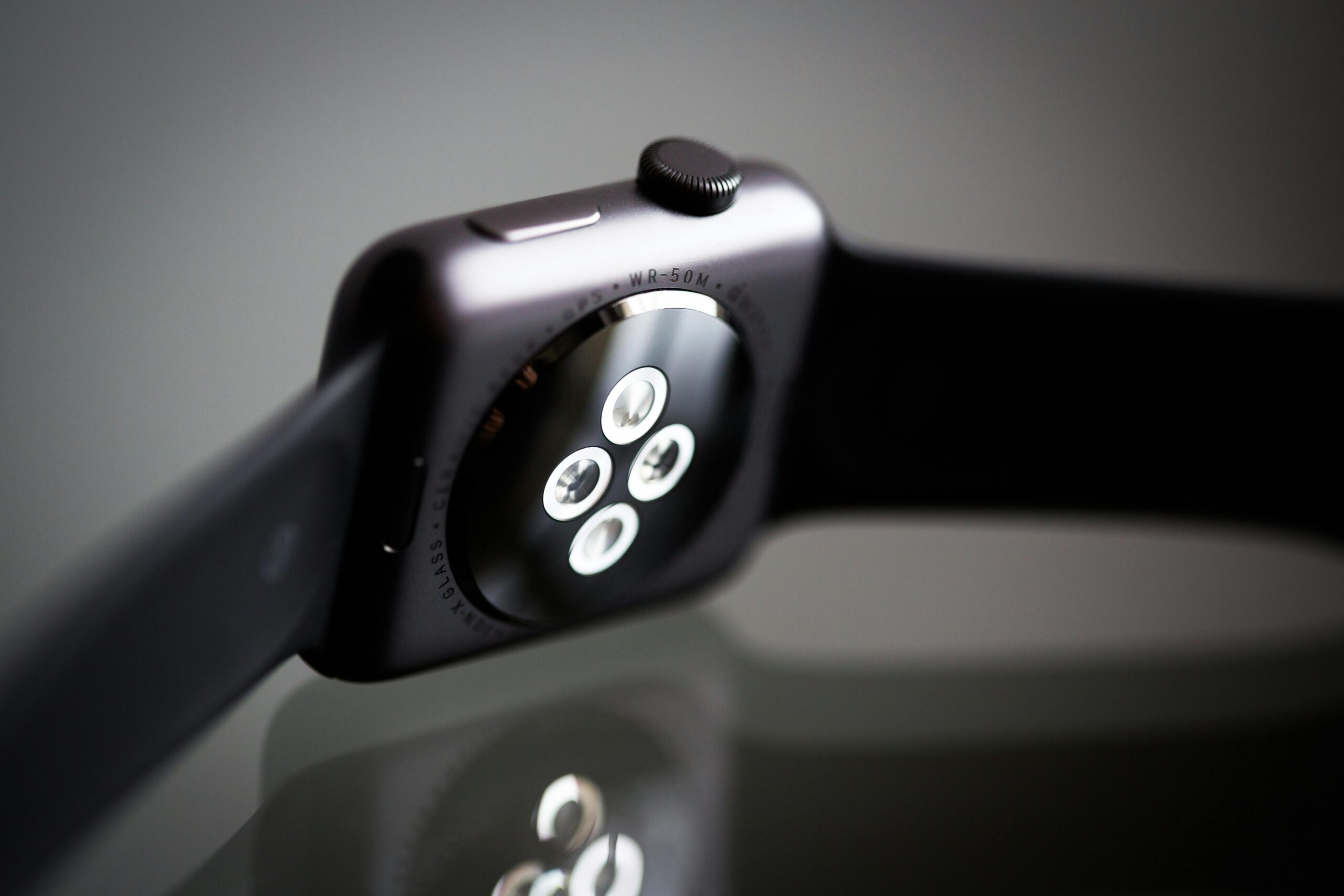
Modern wearable technology has evolved beyond simple step counting to include sophisticated environmental sensors capable of measuring light intensity, spectrum, and duration. These devices provide real-time data about your light exposure patterns throughout the day, enabling data-driven adjustments to your lifestyle.
Light-tracking wearables typically use ambient light sensors that measure illuminance in lux units. More advanced devices can also detect light wavelength composition, distinguishing between beneficial blue-enriched morning light and potentially disruptive evening blue light exposure.
Some wearables integrate light data with other biometric measurements such as heart rate variability, sleep stages, and activity levels to provide comprehensive insights into how your light environment affects overall health and performance.
Features to Look for in Light-Tracking Wearables
When selecting a wearable for light monitoring, consider devices that offer continuous ambient light measurement rather than periodic sampling. Continuous tracking provides more accurate data about your cumulative light exposure throughout the day.
Look for wearables with spectrum analysis capabilities that can differentiate between various light wavelengths. This feature helps identify potentially problematic blue light exposure during evening hours when melatonin production should naturally increase.
Integration with smartphone apps for data visualization and personalized recommendations enhances the practical utility of raw light exposure data. The best systems provide actionable insights rather than overwhelming users with technical metrics.
🌟 Leading Apps for Light Exposure Monitoring
Numerous applications have emerged to help users track and optimize their light exposure patterns. These apps range from simple light meters to comprehensive circadian rhythm management platforms that integrate multiple data sources.
Lux Light Meter Pro
This specialized application transforms your smartphone into a precise light measurement tool. It measures ambient light intensity using your device’s built-in sensors and provides historical tracking of your light environment. The app is particularly useful for ensuring you receive adequate morning light exposure and avoiding excessive artificial light in the evening.
Rise Science Sleep App
While primarily focused on sleep optimization, this application includes light exposure recommendations as part of its circadian rhythm management approach. It suggests optimal times for bright light exposure and when to dim your environment based on your individual sleep schedule.
Circadian
This comprehensive app combines light tracking with personalized recommendations for meal timing, exercise, and cognitive tasks. It helps users align their daily activities with their natural circadian rhythms by considering light exposure as a primary zeitgeber or time-giving cue.
💡 Practical Strategies for Optimizing Daily Light Exposure
Understanding your light exposure patterns through tracking technology is only valuable when translated into actionable lifestyle changes. Implementing strategic light management practices can significantly improve your circadian health and overall well-being.
Morning Light Ritual
Aim to receive at least 10-30 minutes of bright outdoor light within one hour of waking. This morning light exposure is crucial for setting your circadian clock and promoting alertness throughout the day. Even on cloudy days, outdoor light intensity far exceeds typical indoor lighting.
If outdoor light exposure isn’t practical, position yourself near windows during morning hours or consider using a light therapy lamp that delivers 10,000 lux. Tracking apps can confirm you’re receiving adequate morning light intensity to trigger proper circadian signaling.
Midday Light Maintenance
Throughout the day, prioritize working near natural light sources when possible. Periodic outdoor breaks, especially during lunch hours, help maintain circadian alignment and boost afternoon energy levels. Your light-tracking wearable can alert you when your cumulative daytime light exposure falls below optimal levels.
Evening Light Hygiene
As sunset approaches, gradually reduce your light exposure intensity and shift toward warmer color temperatures. Dim overhead lights, activate blue light filters on digital devices, and consider amber-tinted glasses if you must use screens during evening hours.
Most light-tracking apps can set alerts reminding you to reduce blue light exposure approximately three hours before your target bedtime. This practice supports natural melatonin production and prepares your body for restorative sleep.
📊 Interpreting Your Light Exposure Data
Raw data becomes valuable only when properly interpreted and applied to individual circumstances. Understanding what your light exposure metrics reveal about your circadian health empowers more effective interventions.
| Time of Day | Optimal Light Intensity | Purpose |
|---|---|---|
| Morning (6-9 AM) | 10,000+ lux | Circadian phase advancement, alertness |
| Midday (10 AM-3 PM) | 1,000-5,000 lux | Sustained wakefulness, vitamin D synthesis |
| Afternoon (4-6 PM) | 500-2,000 lux | Maintaining alertness without phase delay |
| Evening (7-10 PM) | 50-200 lux (warm spectrum) | Supporting natural melatonin production |
| Night (10 PM+) | <10 lux (red spectrum) | Maximizing sleep quality |
When reviewing your light exposure data, look for patterns rather than focusing on individual days. Consistent morning light deficiency or excessive evening blue light exposure represents actionable targets for improvement.
Pay attention to correlations between your light exposure patterns and subjective measures like energy levels, mood, and sleep quality. Many tracking apps facilitate this analysis by allowing you to log symptoms alongside objective light measurements.
🎯 Overcoming Common Light Exposure Challenges
Modern work environments and lifestyle demands often create obstacles to optimal light exposure. However, understanding these challenges enables creative solutions that fit within realistic constraints.
Office Workers and Indoor Environments
Employees who work in windowless offices or environments with primarily artificial lighting face particular challenges. Strategic interventions include requesting desk placement near windows, taking outdoor walking breaks, and using desktop light therapy lamps during morning work hours.
Some progressive companies now recognize the importance of circadian lighting and implement tunable LED systems that automatically adjust color temperature and intensity throughout the day, mimicking natural daylight patterns.
Shift Workers and Irregular Schedules
People working night shifts or rotating schedules require specialized light exposure strategies to maintain circadian health despite unconventional sleep-wake patterns. Light-tracking technology helps optimize exposure timing relative to individual sleep schedules rather than solar time.
Night shift workers benefit from bright light exposure during their work hours to promote alertness, followed by strict light avoidance and dark sunglasses during the commute home to signal sleep time to their circadian systems.
Seasonal Variations and Geographic Considerations
Residents of northern latitudes experience dramatic seasonal variations in daylight availability, with winter months providing insufficient natural light for proper circadian regulation. Light-tracking apps can quantify this deficiency and recommend compensatory strategies like increased light therapy use or vitamin D supplementation.
🔄 Integrating Light Tracking with Other Health Metrics
Light exposure doesn’t exist in isolation but interacts with numerous other lifestyle factors affecting health. The most sophisticated wellness approaches integrate light data with sleep tracking, physical activity, nutrition timing, and stress management.
Many comprehensive health platforms now incorporate light exposure as a fundamental parameter alongside traditional metrics. This holistic approach recognizes that optimizing one variable while neglecting others produces suboptimal results.
For example, regular exercise enhances circadian rhythm robustness, making you more resilient to occasional light exposure disruptions. Similarly, consistent meal timing provides additional circadian signals that complement light-based regulation.
🚀 The Future of Light Exposure Technology
Emerging technologies promise even more sophisticated light monitoring and intervention capabilities. Next-generation wearables will likely include advanced spectral analysis, personalized light prescriptions based on genetic factors, and automated smart home lighting systems that adjust environments according to individual circadian needs.
Artificial intelligence algorithms will increasingly analyze patterns across multiple users to identify optimal light exposure protocols for specific health conditions, age groups, and lifestyle circumstances. Machine learning models may eventually predict circadian disruptions before they manifest as symptoms, enabling proactive interventions.
Research continues exploring how precisely timed light exposure can enhance athletic performance, accelerate learning and memory consolidation, and support recovery from various medical conditions. As this science advances, light-tracking technology will become increasingly therapeutic rather than merely informational.
✨ Taking Your First Steps Toward Better Light Management
Beginning your light exposure optimization journey doesn’t require expensive equipment or dramatic lifestyle overhauls. Start by downloading a light-tracking app and spending one week simply observing your current patterns without making changes.
This baseline assessment reveals your actual light environment rather than assumptions about your exposure. Most people discover they receive far less morning light and far more evening blue light than they realized.
After establishing your baseline, implement one small change at a time. Perhaps start with a morning walk outside or installing blue light filters on your devices. Track how these adjustments affect your subjective energy, mood, and sleep quality over several weeks.
Remember that circadian adaptation occurs gradually, with most people noticing significant improvements after 2-4 weeks of consistent light management practices. Patience and consistency produce better results than sporadic intensive interventions.
🌈 Illuminating Your Path to Better Health
Harnessing wearables and apps to monitor light exposure represents a powerful yet accessible approach to improving health outcomes. As our understanding of circadian biology deepens and tracking technology becomes more sophisticated, light management will likely emerge as a cornerstone of preventive health strategies.
The simple act of paying attention to your light environment throughout the day can trigger awareness that naturally leads to healthier choices. Whether you invest in advanced wearables or start with a free smartphone app, taking control of your light exposure empowers you to work with your biology rather than against it.
By aligning your daily light patterns with your evolutionary programming, you’re not just optimizing sleep or boosting energy—you’re fundamentally supporting the intricate biological systems that govern nearly every aspect of human health and performance. The future of wellness is bright, and it starts with understanding the light around you.