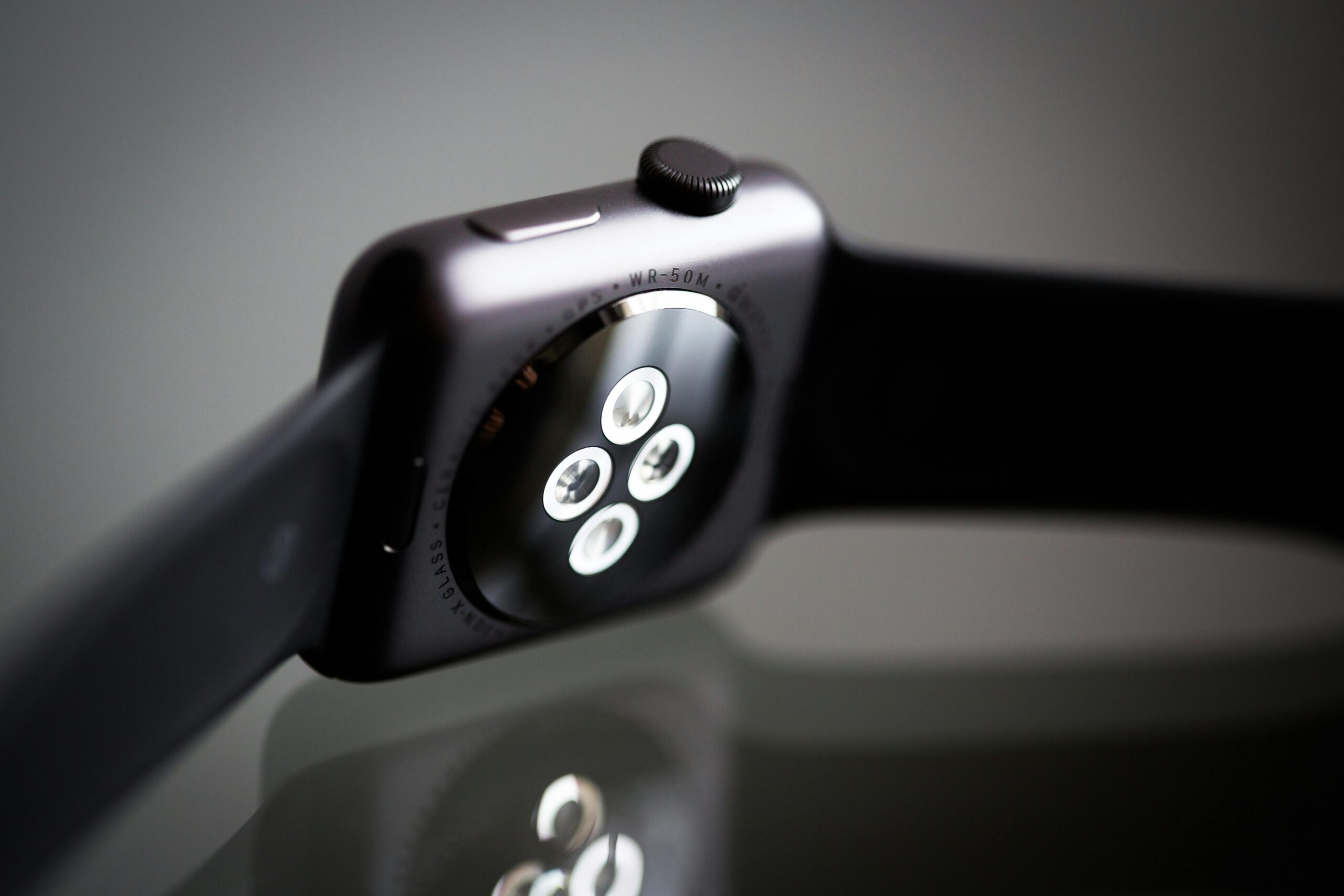
Blue light has become a hot topic in health and wellness discussions, especially regarding its surprising effects on our emotional well-being and daily mood patterns.

🔵 Understanding Blue Light in Our Modern World
Blue light is everywhere in our modern environment. It’s a type of high-energy visible (HEV) light with wavelengths between 400 and 495 nanometers on the electromagnetic spectrum. While sunlight remains the largest source of blue light exposure, we’re increasingly surrounded by artificial sources including smartphones, computer screens, LED lighting, and tablets.
The proliferation of digital devices has fundamentally changed how much blue light we encounter daily. Research suggests that the average person now spends over seven hours per day in front of screens, dramatically increasing blue light exposure compared to previous generations. This shift has prompted scientists to investigate how this constant exposure affects not just our eyes, but our mental and emotional states.
The Science Behind Blue Light and Brain Chemistry
Blue light influences mood through several biological pathways, primarily by affecting the circadian rhythm and neurotransmitter production. When blue light enters the eye, it reaches specialized photoreceptor cells called intrinsically photosensitive retinal ganglion cells (ipRGCs). These cells contain melanopsin, a photopigment particularly sensitive to blue wavelengths.
These specialized cells send signals directly to the suprachiasmatic nucleus (SCN) in the hypothalamus, which serves as the body’s master clock. The SCN regulates the production of melatonin, cortisol, serotonin, and other hormones that directly impact mood, alertness, and emotional regulation.
The Melatonin Connection
One of the most well-documented effects of blue light involves melatonin suppression. Studies have consistently shown that blue light exposure, particularly in the evening, significantly reduces melatonin production. A landmark study published in the Journal of Applied Physiology found that blue light suppressed melatonin for about twice as long as green light and shifted circadian rhythms by twice as much.
This disruption matters for mood because melatonin doesn’t just regulate sleep—it also influences emotional processing and stress response. When melatonin production is disrupted, sleep quality suffers, and poor sleep is one of the strongest predictors of next-day mood disturbances and increased anxiety levels.
📊 What Research Reveals About Blue Light and Mood
Multiple studies have explored the relationship between blue light exposure and emotional well-being, with findings that reveal both beneficial and detrimental effects depending on timing and intensity.
Morning Blue Light: A Natural Mood Booster
Research from the University of Arizona demonstrated that morning blue light exposure can significantly improve mood and alertness. Participants who received blue-enriched light in the morning reported better mood scores, increased energy levels, and improved cognitive performance throughout the day.
Another study published in the Journal of Affective Disorders found that blue light therapy administered in the morning was as effective as traditional bright light therapy for treating seasonal affective disorder (SAD). Participants showed marked improvements in depression scores after just three weeks of morning blue light exposure.
The mechanism behind this benefit relates to cortisol regulation. Morning blue light helps establish a healthy cortisol awakening response, which promotes alertness and positive mood during waking hours while setting up the system for proper melatonin production in the evening.
Evening Exposure: The Mood Disruptor
The picture changes dramatically when we examine evening blue light exposure. Research from Harvard Medical School found that nighttime blue light exposure not only disrupts sleep but also correlates with increased symptoms of depression and anxiety.
A comprehensive study tracking over 2,000 adults found that those with higher evening blue light exposure reported significantly higher rates of mood disorders, even after controlling for other variables like age, sleep duration, and lifestyle factors. The researchers noted that evening blue light exposure created a “circadian misalignment” that affected emotional regulation.
💡 The Timing Paradox: When Blue Light Helps or Hurts
The relationship between blue light and mood isn’t simply good or bad—it’s profoundly time-dependent. This timing paradox is crucial for understanding how to optimize blue light exposure for emotional well-being.
During daylight hours, particularly in the morning and early afternoon, blue light exposure:
- Enhances alertness and cognitive performance
- Improves reaction times and attention span
- Elevates mood and reduces daytime sleepiness
- Strengthens circadian rhythm alignment
- Increases serotonin production
However, during evening hours (typically 2-3 hours before bedtime), blue light exposure:
- Suppresses melatonin production
- Delays sleep onset and reduces sleep quality
- Disrupts next-day mood regulation
- Increases irritability and stress sensitivity
- Interferes with emotional processing during sleep
Blue Light Sensitivity: Individual Differences Matter
Not everyone responds to blue light in the same way. Research has identified several factors that influence individual sensitivity to blue light’s mood effects.
Age-Related Differences
Younger individuals generally show greater sensitivity to blue light’s alerting effects. Studies indicate that teenagers and young adults experience more pronounced melatonin suppression from evening screen time compared to older adults. This heightened sensitivity may partially explain why adolescents are particularly vulnerable to mood disturbances associated with excessive evening device use.
Genetic Factors
Emerging research suggests that genetic variations in circadian clock genes can influence how strongly blue light affects mood. People with certain polymorphisms in genes like PER3 and CLOCK may experience more dramatic mood changes in response to mistimed blue light exposure.
🌅 Practical Strategies for Optimizing Blue Light Exposure
Understanding the science is one thing, but implementing practical strategies to harness blue light’s benefits while minimizing its drawbacks is what truly matters for daily mood management.
Morning Light Rituals
Seeking bright blue-enriched light within the first hour of waking can set a positive mood trajectory for the entire day. This can involve spending 15-30 minutes outdoors, positioning your workspace near windows, or using a light therapy device designed for morning use.
Studies show that people who get adequate morning light exposure report better mood stability throughout the day and experience less severe mood dips in the afternoon. This simple intervention costs nothing if you use natural sunlight and requires minimal time commitment.
Evening Protection Protocols
Implementing blue light reduction strategies in the evening has shown significant benefits for mood and sleep quality. Research supports several approaches:
- Using blue light filtering glasses 2-3 hours before bedtime
- Activating night mode or blue light filters on devices
- Dimming overall light levels in the evening
- Switching to warmer color temperature bulbs in living spaces
- Establishing a “digital sunset” routine
A study published in Chronobiology International found that participants who wore blue-blocking glasses for three hours before bedtime reported significantly improved sleep quality and mood scores after just one week.
Blue Light Filtering Technology: What Works?
The market is flooded with blue light filtering products, but research reveals varying levels of effectiveness.
Blue Light Glasses: The Evidence
Quality blue light filtering glasses that block 50-90% of blue wavelengths have shown consistent benefits in studies. Research from the University of Houston found that participants wearing blue-blocking glasses increased melatonin production by about 58% and reported significant improvements in sleep quality and morning mood.
However, not all blue light glasses are created equal. Many fashionable options block less than 20% of blue light, which may be insufficient for meaningful mood or sleep benefits.
Software Solutions and Screen Filters
Built-in features like Night Shift (iOS) or Night Light (Android and Windows) reduce blue light emission from screens. While studies show these features do reduce blue light exposure, their effectiveness for improving mood and sleep is less dramatic than wearing blocking glasses or reducing screen time entirely.
For comprehensive screen time management and blue light awareness, apps can help track and reduce evening device usage. Many modern smartphones include built-in digital wellbeing features that monitor screen time and can remind users to reduce evening exposure.
😴 The Sleep-Mood Connection: Why It Matters
The primary mechanism through which blue light affects mood operates through sleep disruption. Understanding this connection helps explain why timing matters so much.
Sleep is when the brain processes emotional experiences and consolidates memories. Research using brain imaging has shown that sleep-deprived individuals show 60% greater reactivity in the amygdala (the brain’s emotional processing center) when viewing negative images compared to well-rested individuals.
Blue light-induced sleep disruption creates a vicious cycle: poor sleep increases emotional reactivity and negative mood, which can lead to increased evening screen time as people seek distraction or entertainment, further disrupting sleep. Breaking this cycle requires conscious intervention in blue light exposure patterns.
🔬 Emerging Research and Future Directions
The field of blue light research continues to evolve, with new studies revealing increasingly nuanced understanding of how different wavelengths, intensities, and exposure patterns affect mood.
Personalized Light Therapy
Researchers are developing personalized light exposure protocols based on individual chronotypes, genetic profiles, and baseline mood patterns. Early results suggest that customized light therapy schedules may be significantly more effective than one-size-fits-all approaches.
Workplace Applications
Forward-thinking companies are implementing circadian lighting systems that automatically adjust color temperature throughout the day. Preliminary studies suggest these systems may reduce workplace stress and improve employee mood and productivity.
Beyond Screens: Other Blue Light Sources
While digital devices receive most attention, other blue light sources also impact mood. LED lighting, increasingly common in homes and workplaces, emits higher levels of blue light than traditional incandescent bulbs. Even small nighttime exposures from LED alarm clocks or ambient lighting can affect sensitive individuals.
Energy-efficient LED bulbs with adjustable color temperatures offer a practical solution, allowing warmer (less blue) light in evening hours while maintaining brighter, bluer light for daytime productivity and mood support.
Creating Your Personal Blue Light Strategy 🎯
Based on current research, an evidence-based approach to blue light management for optimal mood involves several key principles:
First, maximize natural bright light exposure, particularly in the morning hours. This sets your circadian rhythm and provides the foundation for stable mood throughout the day. Even 15 minutes of morning sunlight can make a measurable difference.
Second, be strategic about screen time, especially in the evening. This doesn’t mean eliminating devices entirely, but rather being mindful of timing and using protective measures like blue-blocking glasses or screen filters during the 2-3 hours before bedtime.
Third, pay attention to your individual responses. Keep a simple mood and sleep log for a few weeks, noting your evening blue light exposure. This personal data often reveals patterns more convincing than any study.
Finally, remember that blue light is just one factor affecting mood. Nutrition, exercise, social connection, and stress management all play crucial roles. Blue light optimization works best as part of a comprehensive approach to emotional well-being.
The Bigger Picture: Light and Mental Health
As research continues to illuminate the connection between blue light and mood, it’s becoming clear that our relationship with light—both natural and artificial—is a fundamental aspect of mental health that deserves serious attention.
The modern lifestyle has created unprecedented disconnection from natural light cycles. We spend roughly 90% of our time indoors, often in environments with inadequate daytime light and excessive evening light. This misalignment with our evolutionary programming has consequences that extend beyond individual mood to broader public health concerns.
Studies linking artificial light exposure patterns to increased rates of depression, anxiety, and seasonal affective disorder suggest that optimizing blue light exposure could be a simple yet powerful intervention for improving population-level mental health outcomes.
The evidence is clear: blue light profoundly affects our mood, but the effect depends critically on when and how we encounter it. By understanding these patterns and implementing practical strategies, we can harness blue light’s mood-boosting potential while protecting ourselves from its disruptive effects. In our screen-saturated world, this knowledge isn’t just interesting—it’s essential for maintaining emotional balance and psychological well-being. 🌟